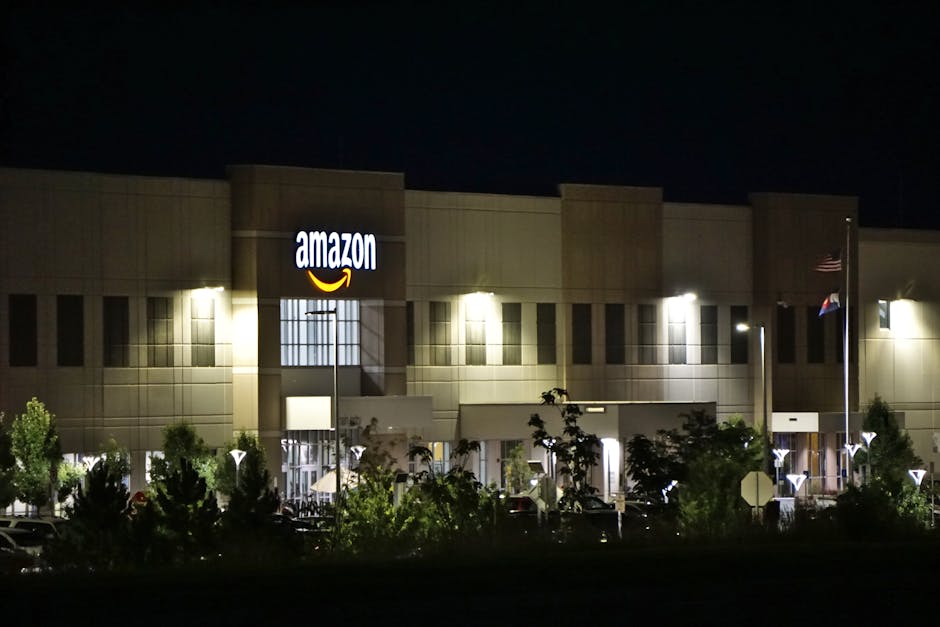
Amazon FBA Business Playbook: Introduction
Amazon FBA (Fulfillment by Amazon) represents one of the most accessible pathways into e-commerce entrepreneurship. This business model allows s rs to leverage Amazon’s massive logistics network, customer base, and fulfillment infrastructure to build profitable online businesses. When you use Amazon FBA, you send your products to Amazon’s warehouses, and they handle storage, packaging, shipping, customer service, and returns on your behalf.
The key benefits of Amazon FBA extend far beyond simple logistics. Your products become eligible for Amazon Prime shipping, which significantly increases their appeal to millions of Prime subscribers who prioritize fast, free delivery. Additionally, Amazon handles customer inquiries and returns, freeing up your time to focus on product sourcing, marketing, and business growth. The “Fulfilled by Amazon” badge also builds instant credibility with customers who trust Amazon’s fulfillment standards.
The Amazon FBA business model operates on straightforward principles: you source or create products, send them to Amazon’s fulfillment centers, optimize your listings for visibility and conversions, and Amazon handles the operational complexities. Success requires understanding product research, supplier relationships, inventory management, and Amazon’s ever-evolving marketplace dynamics. While the barriers to entry are relatively low, building a sustainable FBA business demands strategic thinking, consistent effort, and adaptability to market changes.
Getting Started with Amazon FBA
Before launching your Amazon FBA business, you must meet specific eligibility requirements and complete the account setup process. Amazon requires s rs to provide valid business information, including tax identification numbers, bank account details, and identity verification documents. You’ll need to choose between an Individual selling plan ($0.99 per item sold) or Professional selling plan ($39.99 monthly), with most serious FBA s rs opting for the Professional plan due to its additional features and lower per-item fees.
Setting up your Amazon FBA account involves several critical steps that lay the foundation for your business operations. Start by creating your Amazon S r Central account, providing accurate business information, and completing the tax interview process. You’ll need to configure your shipping settings, payment methods, and return policies. Amazon also requires you to provide detailed product information, including dimensions, weight, and hazardous material classifications, which directly impact storage and fulfillment fees.
Preparing your products for Amazon FBA requires adherence to strict packaging and labeling requirements. Each unit must have a scannable barcode (either UPC, EAN, or Amazon’s FNSKU labels), and products must be packaged according to Amazon’s guidelines to prevent damage during storage and shipping. Certain product categories require additional preparation, such as poly-bagging for apparel or bubble wrap for fragile items. Understanding these requirements upfront prevents costly delays and additional prep fees that can erode your profit margins.
Amazon FBA Product Listing and Pricing Strategies
Creating effective product listings on Amazon requires a deep understanding of how customers search and make purchasing decisions on the platform. Your product title should include relevant keywords while remaining readable and informative, typically following the format: Brand + Product Type + Key Features + Size/Color/Quantity. High-quality product images are crucial, with the main image featuring a clean, professional shot against a white background, while additional images showcase different angles, use cases, and key features.
Pricing strategies for Amazon FBA must account for all associated costs while remaining competitive in your market segment. Calculate your total cost per unit, including product cost, Amazon referral fees (typically 8-15% depending on category), FBA fulfillment fees, storage fees, and any additional costs like advertising or returns. Many successful FBA s rs target a minimum 30% profit margin to account for unexpected expenses and provide room for competitive pricing adjustments.
Managing inventory and restocking requires careful balance between avoiding stockouts and minimizing storage fees. Amazon charges long-term storage fees for inventory that sits in their warehouses for more than 365 days, making accurate demand forecasting essential. Use Amazon’s inventory management tools to track sales velocity, monitor stock levels, and set up automatic reorder alerts. Consider seasonal fluctuations, promotional periods, and lead times from suppliers when planning your inventory levels to maintain consistent product availability.
Amazon FBA Sales and Marketing Tips
Promoting your products on Amazon requires a multi-faceted approach that combines organic optimization with paid advertising strategies. Start by optimizing your product listings for Amazon’s search algorithm (A9) by incorporating relevant keywords in your title, bullet points, and product description. Encourage customer reviews through follow-up emails and exc nt customer service, as positive reviews significantly impact your product’s visibility and conversion rates. Consider using Amazon’s Early Reviewer Program or Vine program to generate initial reviews for new products.
Amazon PPC (Pay-Per-Click) advertising serves as a powerful tool for increasing product visibility and driving sales, but it requires strategic management to maintain profitability. Start with automatic campaigns to discover relevant keywords, then create manual campaigns targeting your most profitable terms. Monitor your Advertising Cost of Sales (ACoS) closely, aiming to keep it below your profit margin percentage. Use negative keywords to prevent your ads from showing for irrelevant searches, and regularly adjust bids based on performance data.
Optimizing product pages for better conversion rates involves continuous testing and refinement of your listing elements. A/B test different main images, titles, and bullet points to identify what resonates best with your target audience. Use Amazon’s Brand Analytics (available to brand-registered s rs) to understand customer search behavior and identify opportunities for improvement. Focus on addressing common customer concerns in your product description and FAQ sections, and ensure your images clearly demonstrate your product’s value proposition and key differentiators.
Amazon FBA Accounting and Tax Considerations
Understanding Amazon FBA fees and costs is crucial for maintaining profitability and making informed business decisions. Amazon charges referral fees based on product category, typically ranging from 8% to 15% of the item price. FBA fulfillment fees vary by product size and weight, with standard-size items generally costing less to fulfill than oversized items. Monthly storage fees are calculated based on cubic feet of space your inventory occupies, with higher rates during peak season (October through December).
Tax compliance for Amazon FBA s rs involves navigating complex multi-state sales tax requirements, especially as your business grows. Amazon collects and remits sales tax in most states, but s rs remain responsible for understanding their tax obligations and maintaining accurate records. Consider consulting with a tax professional who specializes in e-commerce businesses to ensure compliance with federal, state, and local tax requirements. Keep detailed records of all business expenses, including product costs, advertising spend, and business-related travel.
Accounting best practices for Amazon FBA businesses include maintaining separate business bank accounts, using accounting software designed for e-commerce (such as QuickBooks Commerce or A2X), and reconciling your Amazon settlement reports regularly. Track key metrics like gross profit margin, return on advertising spend (ROAS), and inventory turnover rates. Implement systems for tracking product costs, including landed costs that account for shipping, duties, and other import-related expenses if sourcing internationally.
Amazon FBA Shipping and Fulfillment Guidelines
Packing and shipping requirements for Amazon FBA are detailed and strictly enforced, with non-compliance resulting in additional fees or rejected shipments. Products must be packaged to withstand the fulfillment process without damage, using appropriate materials like bubble wrap, air pillows, or foam inserts for fragile items. Each product requires proper labeling with FNSKU barcodes, and shipments must include accurate box content information and shipping labels generated through S r Central.
Handling returns and refunds in Amazon FBA requires understanding Amazon’s customer-centric return policies and their impact on your business. Amazon automatically processes most returns within their standard return window, typically 30 days for most products. Returned items are evaluated for condition, with sellable items returned to your available inventory and unsellable items either disposed of or returned to you (for a fee). Monitor your return rates and reasons to identify potential product quality issues or listing inaccuracies that might be driving returns.
Ensuring product quality and customer satisfaction involves implementing quality control processes throughout your supply chain. Inspect products before shipping to Amazon, maintain clear communication with suppliers about quality standards, and address customer feedback promptly. Use Amazon’s customer feedback and return data to identify improvement opportunities. Consider implementing additional quality assurance measures, such as third-party inspections for international suppliers or batch testing for products with quality-sensitive components.
Amazon FBA Advanced Strategies for Scaling Your Business
Expanding your product range on Amazon FBA requires strategic analysis of market opportunities, customer demand patterns, and your operational capacity. Focus on products that complement your existing offerings or serve the same target customer base to leverage your existing brand recognition and customer reviews. Analyze your competitors’ product portfolios to identify gaps in the market, and use tools like Jungle Scout or Helium 10 to validate demand and competition levels before investing in new products.
Leveraging Amazon’s Brand Registry provides significant advantages for protecting your int ctual property and accessing advanced marketing tools. Brand Registry requires a registered trademark and enables access to features like A+ Content (Enhanced Brand Content), Brand Analytics, and Sponsored Brand advertising. These tools allow you to create more engaging product listings, gain deeper insights into customer behavior, and build stronger brand recognition within Amazon’s marketplace.
Using Amazon’s Marketplace Merchandising tools enhances your listings and improves conversion rates through rich content and interactive features. A+ Content allows you to add enhanced images, comparison charts, and detailed product descriptions below the standard product description. Video content can showcase your products in action and address common customer questions. Utilize Amazon’s Storefront feature to create a branded shopping experience that showcases your entire product catalog and tells your brand story.
Common Pitfalls in Amazon FBA Business and How to Avoid Them
Mistakes to avoid when starting an Amazon FBA business include inadequate product research, underestimating total costs, and neglecting Amazon’s terms of service. Many new s rs choose products based on personal preferences rather than market data, leading to poor sales performance. Avoid this by conducting thorough market research, analyzing competitor performance, and validating demand before making significant inventory investments. Additionally, many s rs underestimate the total cost of doing business on Amazon, including advertising costs, return rates, and seasonal storage fees.
Handling common challenges in Amazon FBA requires proactive problem-solving and contingency planning. Inventory management issues, such as stockouts or overstock situations, can significantly impact your business performance. Develop relationships with multiple suppliers to ensure consistent product availability, and implement inventory forecasting systems to predict demand accurately. Address negative reviews promptly and professionally, using them as opportunities to improve your products and customer service processes.
Keeping up with Amazon’s policies and updates is essential for maintaining account health and avoiding suspensions. Amazon regularly updates its terms of service, fee structures, and marketplace policies. Subscribe to Amazon’s s r newsletters, participate in s r forums, and consider joining professional associations or mastermind groups to stay informed about changes that could affect your business. Maintain detailed records of your business activities and ensure compliance with all applicable policies to protect your selling privileges.
Frequently Asked Questions (FAQ)
What is the difference between Amazon FBA and FBM?
Amazon FBA (Fulfillment by Amazon) means Amazon handles storage, packaging, shipping, and customer service for your products, while FBM (Fulfillment by Merchant) requires you to handle these operations yourself. FBA products are eligible for Prime shipping and typically rank higher in search results, but come with additional fees. FBM gives you more control over the fulfillment process and customer interactions but requires more time and resources to manage effectively.
How long does it take to start selling on Amazon FBA?
The timeline for starting an Amazon FBA business typically ranges from 2-8 weeks, depending on your preparation level and product sourcing method. Account setup and approval usually take 1-3 days, while product sourcing can take anywhere from a few days (for retail arbitrage) to several weeks (for private label products from overseas suppliers). Creating your first shipment and having products available for sale generally takes an additional 1-2 weeks after your inventory arrives at Amazon’s fulfillment centers.
What are the most important metrics to track in an Amazon FBA business?
Key metrics for Amazon FBA success include profit margin per unit, return on advertising spend (ROAS), inventory turnover rate, and organic search ranking positions. Monitor your conversion rate, customer acquisition cost, and lifetime customer value to understand your business’s long-term sustainability. Track operational metrics like defect rates, return percentages, and customer feedback scores to maintain account health. Financial metrics such as cash flow, days of inventory on hand, and total return on investment help guide strategic business decisions.
Explore more amazon-fba guides on our site.
Top Product Recommendations
| Product Name | Rating | Key Feature | Est. Price | Action |
|---|---|---|---|---|
| Best Amazon Fba Pick | ★★★★★ | Top-rated overall | $25–$45 | Check Lowest Price on Amazon |
| Budget Amazon Fba Option | ★★★★☆ | Great for beginners | $12–$28 | Check Lowest Price on Amazon |
| Premium Amazon Fba Choice | ★★★★☆ | Pro-level results | $50–$90 | Check Lowest Price on Amazon |
Affiliate Disclosure: This post contains affiliate links. We may earn a commission if you buy through our links, at no extra cost to you.
Leave a Reply