What Is Dropshipping and Why Does It Work
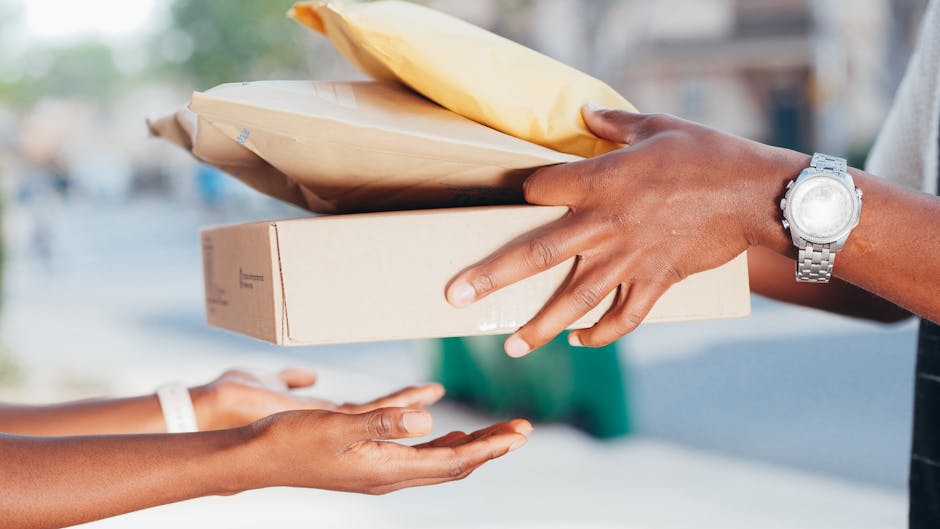
Dropshipping remains one of the most accessible ways to sell products online without holding physical inventory. In this model, you partner with a supplier who stocks and ships items directly to your customer. You handle marketing, customer service, and building your brand while your supplier manages warehousing and fulfillment.
For aspiring entrepreneurs, this model offers low upfront risk and flexible operations. However, success does not come automatically. Building a profitable dropshipping business requires careful planning, supplier due diligence, and ongoing optimization. This playbook walks you through every phase from market research to scaling your operation.
Starting a Dropshipping Business
Market research is the foundation of any successful dropshipping store. Skipping this step is one of the most common reasons new dropshippers fail before they even launch. You need to identify where real demand exists, which products have reliable suppliers, and what price points support healthy profit margins.
Researching Profitable Niches
The motorcycle aftermarket generates billions in annual revenue, and Royal Enfield has built a dedicated US rider base. Models like the Himalayan, Interceptor, and Continental GT have strong enthusiast communities actively seeking aftermarket parts and accessories. That rider passion translates directly into purchasing intent.
Before committing to a product category, analyze which parts sell consistently, which have reliable suppliers, and what margins look like after advertising costs. Google Trends and keyword tools reveal search volume and seasonal demand patterns. You want products with steady interest, not one-time novelty demand.
Analyzing the Royal Enfield Motorcycle Parts Opportunity
Royal Enfield occupies a specific niche in the US market. Mainstream dealers focus on Japanese and American motorcycle parts, leaving Royal Enfield riders underserved. That gap creates a real business opportunity. A well-positioned dropshipping store targeting Royal Enfield riders can build authority faster than competing in saturated markets.
Consider not just direct parts, but the broader accessory ecosystem. Riding gear, universal mounts, maintenance tools, and apparel all complement the core parts business. Adding adjacent product categories increases average order value and creates natural upsell moments.
Setting Up Your Dropshipping Website
Your e-commerce platform is the backbone of your operation. The right choice depends on your budget, technical comfort, and growth plans. Most beginners compare Shopify versus WooCommerce as their primary options.
Choosing an E-Commerce Platform
**Shopify** offers the fastest setup with built-in hosting, themes, and app integrations. Monthly plans start around $39 for basic features, making it accessible for new s rs. **WooCommerce** provides more flexibility and lower ongoing costs but requires separate hosting, security management, and more technical setup time.
For a niche dropshipping store, Shopify is typically the better starting point. You can launch quickly and iterate without wrestling with server configuration. WooCommerce becomes attractive as your operation scales and you need deeper customization.
Website Design Priorities
Royal Enfield riders skew toward mobile browsing. Your store must load fast and display cleanly on smartphones. A clean layout with intuitive navigation reduces bounce rates and improves conversion. High-quality product imagery, clear pricing, and visible trust signals keep visitors engaged.
Essential integrations include Oberlo or similar import tools for syncing supplier catalogs, email marketing software for list building, and analytics for tracking visitor behavior. Each tool adds monthly cost, so start lean and add selectively as revenue justifies the expense.
Establishing Partnerships with Suppliers
Your supplier relationships determine your customer experience more than any marketing campaign. Poor supplier reliability is the most common dropshipping failure mode. Due diligence here saves enormous headaches later.
Finding and Vetting Suppliers
Start by searching for suppliers specializing in Royal Enfield motorcycle parts. Trade directories, industry forums, and direct Google searches reveal potential partners. Look for suppliers with documented quality processes, reasonable fulfillment timelines, and enough inventory to scale with your growth.
Request samples before committing. Order two or three items yourself, evaluate packaging quality, shipping speed, and product condition. Your own experience as a customer tells you everything you need to know about whether to list that supplier’s products.
Negotiating Terms and Conditions
Once you identify reliable suppliers, negotiate wholesale and dropshipping terms. Key points to clarify include pricing structure, minimum order requirements, shipping responsibilities, return policies for defective items, and lead time expectations. Get everything documented in writing before promoting their products.
Creating and Managing Product Listings
Product listings are your virtual sales floor. Poor listings kill conversions even with perfect traffic. Royal Enfield riders are brand-loyal and detail-oriented. Your listings must communicate fitment, quality, and value clearly.
Writing Product Descriptions That Convert
Generic supplier descriptions do not sell. Riders want specifics: part numbers, fitment charts, material composition, finish quality, and installation notes. Replace “Engine Guard” with a description highlighting aircraft-grade aluminum construction, corrosion-resistant coating, and direct bolt-on fitment for the Himalayan model.
Use high-quality images showing products from multiple angles. Original photography builds trust even when using supplier-provided images. Verify that product titles include model-specific keywords for both customer clarity and search visibility.
SEO Optimization for Product Pages
Product page SEO targets long-tail keywords riders actually search. Instead of “motorcycle parts,” optimize for “Royal Enfield Himalayan front brake pads” or “Royal Enfield Continental GT handlebar accessories.” Include targeted keywords naturally in product descriptions, meta titles, and URLs.
Marketing and Promoting Your Dropshipping Business
Traffic is oxygen for any e-commerce store. No visitors means no sales regardless of how well your site is built. A balanced marketing strategy combines organic reach with paid acquisition.
Social Media and Content Marketing
Royal Enfield communities are active on Instagram, YouTube, and dedicated Facebook groups. Create content showcasing product installations, customization ideas, and honest reviews. Short-form video and riding content perform well with motorcycle audiences.
Facebook groups for specific Royal Enfield models are goldmines for targeted engagement. Members actively seek parts and accessories recommendations. Meaningful participation builds trust before any promotional push.
Paid Advertising Strategy
Paid ads accelerate growth but require testing discipline. Start with small daily budgets to identify winning products and audiences before scaling spend. Meta advertising lets you target motorcycle enthusiast audiences precisely. Google Ads capture high-intent search traffic from riders actively researching specific products.
Track cost per acquisition carefully. In dropshipping, thin margins can disappear quickly if advertising costs outpace profit per order. Retarget website visitors who viewed products but did not purchase to improve conversion rates.
Managing Customer Service and Fulfillment
Customer service quality defines your brand reputation in dropshipping. Since you do not control shipping, proactive communication and honest policies protect your customer relationships.
Setting Customer Expectations
Be transparent about dropshipping fulfillment. Customers appreciate honesty about multi-package shipments and slightly longer delivery windows. Set clear shipping estimates during checkout and follow up with tracking information promptly.
Exc nt customer service means responding within 24 hours, providing order status updates proactively, and resolving issues generously. One negative review can damage months of reputation work, especially in niche communities where riders share experiences actively.
Handling Returns and Complaints
Build a documented return workflow before you need it. When a product arrives damaged or incorrect, immediately arrange replacement or refund while keeping the supplier accountable for their errors. Clear communication during frustrating situations converts potential detractors into loyal customers.
Fulfillment Monitoring
Track order accuracy, shipping speed, and delivery confirmation consistently. Identify suppliers with recurring issues and address them directly. Patterns in customer complaints often reveal supplier problems before they spiral.
Scaling and Growing Your Dropshipping Business
Once your store generates consistent sales, strategic expansion improves margins and diversifies revenue. Scaling in dropshipping means increasing volume while maintaining service quality.
Expanding Product Range
Add complementary categories to increase average order value. Riding gear, maintenance tools, and universal accessories appeal to the same customer base. Testing new product categories with small inventory listings reveals what resonates before major investment.
Consider white-labeling custom-designed products. A supplier manufacturing your proprietary accessories differentiates your store and creates barriers for competitors. Original products command higher margins and strengthen brand identity.
Operations Optimization
As order volume grows, negotiate better supplier pricing to improve per-unit margins. Virtual assistants handle customer service inquiries, freeing your time for strategic decisions. Additional supplier partnerships expand available inventory and reduces single-source risk.
Frequently Asked Questions (FAQ)
What is the average start-up cost for a dropshipping business?
Startup costs vary widely based on platform choice, marketing budget, and store customization. A minimal setup using a basic Shopify plan, free theme, and organic marketing can launch for under $500. Most entrepreneurs should budget $1,000 to $3,000 for the first year to cover platform fees, initial marketing, and operational tools.
How long does it take to start seeing profits from a dropshipping business?
New dropshipping stores typically need three to six months before generating consistent revenue. Traffic generation, conversion optimization, and customer trust-building take time. Initial months often involve losses as you test products, refine marketing, and accumulate social proof through reviews.
What are the most common challenges faced by dropshippers?
Dropshippers most frequently encounter inventory synchronization issues when products sell out or change, supplier reliability problems causing fulfillment delays, thin profit margins after advertising costs, and customer service burden managing inquiries across multiple suppliers. Building strong supplier relationships and maintaining lean operations mitigates most of these challenges.
Top Product Recommendations
| Product Name | Rating | Key Feature | Est. Price | Action |
|---|---|---|---|---|
| Top-rated Royal Enfield Himalayan engine guard | ★★★★★ | Editor-recommended Royal Enfield Himalayan engine guard from this guide | $18–$42 | Check Lowest Price on Amazon |
| Best-value motorcycle front brake pads | ★★★★☆ | Affordable motorcycle front brake pads — strong everyday results | $12–$28 | Check Lowest Price on Amazon |
| Premium motorcycle riding gear accessories | ★★★★☆ | Higher-end motorcycle riding gear accessories for visible, lasting results | $45–$95 | Check Lowest Price on Amazon |
Affiliate Disclosure: This post contains affiliate links. We may earn a commission if you buy through our links, at no extra cost to you.
Leave a Reply