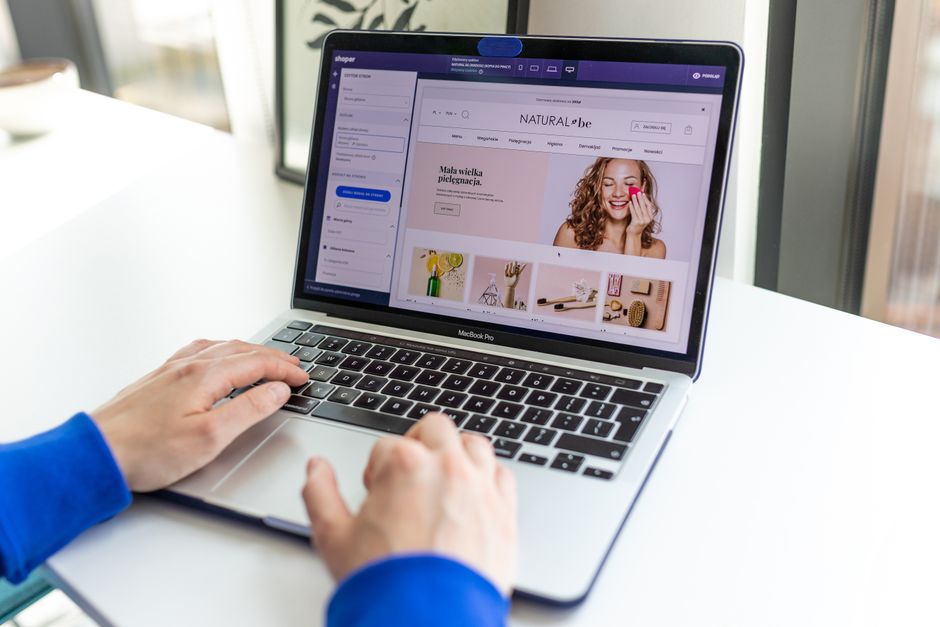
Launching a Shopify Dropshipping Store in 2026
Starting a **Shopify dropshipping** business in 2026 requires careful niche selection to avoid saturated markets. Low-competition niches offer better profit margins and easier customer acquisition. Focus on emerging trends rather than crowded categories like generic phone cases or fast fashion.
Conduct thorough market research using tools like Google Trends, Amazon Best S rs, and niche forums. Look for products with steady search volume but limited branded competition. Analyze customer pain points in underserved markets—these gaps represent your best opportunities.
Evaluate profitability by calculating product costs, shipping fees, and advertising expenses. A viable niche should support at least 40% profit margins after all costs. Test product interest with small ad campaigns before committing to full inventory partnerships.
Quick pick: Compare top-rated Dropshipping options.
Setting Up Your Shopify Dropshipping Store
Choose a domain name that reflects your niche without being overly specific. Avoid trademarked terms or generic names that hurt SEO. Your domain should be memorable, easy to spell, and available across social media platforms.
Design a clean, mobile-responsive layout that prioritizes fast loading times. Use Shopify themes optimized for conversions with clear navigation and prominent call-to-action buttons. Avoid cluttered designs that distract from product discovery and checkout.
Integrate essential apps including **Oberlo** or **Spocket** for product importing, email marketing tools like Klaviyo, and review platforms such as Loox. Install analytics tracking from day one to monitor customer behavior and identify bottlenecks in your sales funnel.
Sourcing Reliable Suppliers and Products
Find suppliers through vetted platforms like AliExpress, SaleHoo, or direct manufacturer outreach. Verify supplier reliability by checking order fulfillment times, communication responsiveness, and product quality consistency. Avoid suppliers with frequent negative reviews or unclear return policies.
Negotiate better pricing by committing to minimum order quantities or establishing long-term partnerships. Request wholesale pricing tiers and ask about private labeling options to differentiate your products. Strong supplier relationships give you competitive advantages in pricing and exclusive product access.
Order product samples before listing items in your store. Test shipping times, packaging quality, and product accuracy. This step prevents customer complaints and protects your store’s reputation from poor-quality suppliers.
Creating High-Converting Product Pages
Write product descriptions that focus on benefits rather than features alone. Address customer objections directly and explain how the product solves specific problems. Use bullet points for key benefits and incorporate the focus keyword naturally without keyword stuffing.
Use high-resolution images from multiple angles and lifestyle photos showing products in use. Include zoom functionality and consider adding video demonstrations for complex products. Visual content dramatically increases conversion rates compared to text-only listings.
Optimize product pages with descriptive URLs, meta titles under 60 characters, and compelling meta descriptions. Include customer reviews prominently and add trust badges near checkout buttons. Fast page load speeds (under 3 seconds) are critical for both SEO and conversion optimization.
Driving Targeted Traffic to Your Store
Develop a multi-channel marketing strategy combining organic and paid traffic sources. Start with **SEO-optimized blog content** targeting long-tail keywords related to your niche. Publish product comparison guides, how-to articles, and problem-solving content that attracts qualified buyers.
Implement technical SEO basics including XML sitemaps, schema markup for products, and optimized image alt tags. Build backlinks through guest posting, supplier partnerships, and industry directories. Organic traffic builds slowly but provides the highest ROI long-term.
Launch paid advertising on Facebook and Google Ads with small daily budgets initially. Test different ad creatives, audiences, and messaging to identify winning combinations. Scale winning campaigns gradually while maintaining profitability metrics. Avoid broad targeting that wastes ad spend on uninterested audiences.
Converting Visitors into Loyal Customers
Offer competitive pricing by analyzing competitor rates and positioning slightly below market leaders. Run limited-time promotions to create urgency without devaluing your brand. Bundle products or offer free shipping thresholds to increase average order values.
Provide exceptional customer experience through live chat support, detailed FAQ pages, and transparent shipping timelines. Simplify checkout with guest checkout options, multiple payment methods, and clear return policies. Reduce cart abandonment by sending automated recovery emails with incentives.
Implement retention strategies including email sequences for post-purchase engagement, loyalty programs offering repeat customer discounts, and personalized product recommendations. Acquiring new customers costs 5-7 times more than retaining existing ones—prioritize customer lifetime value over one-time sales.
Managing Inventory and Fulfillment
Monitor stock levels daily through supplier dashboards and automated inventory sync apps. Set up low-stock alerts to prevent selling out-of-stock items. Communicate proactively with customers if products face unexpected delays.
Coordinate with suppliers to establish clear fulfillment workflows and quality control checkpoints. Request tracking numbers for all orders and provide customers with shipment updates automatically. Reliable fulfillment builds trust and reduces support inquiries.
Handle returns professionally by creating clear return policies upfront and processing refunds quickly. Address product quality issues directly with suppliers and negotiate replacements or credits. Professional problem resolution turns negative experiences into positive reviews.
Scaling Your Dropshipping Business for Growth
Identify expansion opportunities by analyzing your best-selling products and exploring complementary items. Survey customers about desired products and monitor competitor offerings for inspiration. Add new products systematically rather than expanding too rapidly.
Invest in automation tools for order processing, customer service chatbots, and email marketing sequences. Hire virtual assistants for repetitive tasks like supplier communication and social media management. Automation frees your time for strategic growth activities.
Continuously optimize through A/B testing on product pages, ad campaigns, and email sequences. Review analytics monthly to identify underperforming products and traffic sources. Cut losses quickly and double down on what works—data-driven decisions outperform intuition.
Frequently Asked Questions
What are the most promising low-competition niches for Shopify dropshipping in 2026?
Emerging niches include **eco-friendly pet products**, adaptive technology for accessibility, and niche hobby supplies like specialty craft tools. Look for passionate communities with specific needs that major retailers ignore. Evergreen niches like ergonomic home office equipment and personalized gift items continue performing well with proper targeting.
How can I verify supplier reliability before partnering for dropshipping?
Order multiple product samples and measure delivery times against promised windows. Check supplier ratings on platforms like AliExpress and verify business licenses when possible. Start with small test orders before committing to exclusive partnerships. Strong communication responsiveness and willingness to address quality issues are key reliability indicators.
What realistic profit margins should I expect from Shopify dropshipping in 2026?
Target 30-40% profit margins after product costs, shipping, payment processing fees, and advertising expenses. Lower margins (15-25%) can work with high volume, but require more sophisticated operations. Factor in returns, chargebacks, and customer acquisition costs when calculating true profitability. Avoid niches where competition has compressed margins below sustainable levels.
How much startup capital do I need to launch a profitable dropshipping store?
Expect $500-$2,000 minimum for Shopify subscription, domain, essential apps, product samples, and initial advertising budget. Start with organic traffic strategies if budget-constrained, but paid advertising accelerates testing and validation. Reserve at least $300 monthly for ad testing during launch phase. Successful stores often reinvest initial profits for 6-12 months before taking meaningful income.
Top Product Recommendations
| Product Name | Rating | Key Feature | Est. Price | Action |
|---|---|---|---|---|
| Top-rated dropshipping supplier directory | ★★★★★ | Editor-recommended dropshipping supplier directory from this guide | $18–$42 | Check Lowest Price on Amazon |
| Best-value ecommerce analytics tools | ★★★★☆ | Affordable ecommerce analytics tools — strong everyday results | $12–$28 | Check Lowest Price on Amazon |
| Premium product photography lighting kit | ★★★★☆ | Higher-end product photography lighting kit for visible, lasting results | $45–$95 | Check Lowest Price on Amazon |
Affiliate Disclosure: This post contains affiliate links. We may earn a commission if you buy through our links, at no extra cost to you.
Leave a Reply