
Introduction to the Best Business Ideas for 2026

The business landscape is shifting faster than ever, and if you are hunting for the best business ideas 2026 has to offer, you need more than a trending topic — you need a workable plan. This guide outlines eight income-focused business concepts that solve real problems, fit within reach of a solo operator or small team, and hold up under scrutiny. Each section covers what the model is, how to get started, and where most people stumble. No hype, just a practical playbook you can use as a starting point.
Editor’s pick: business planning workbook — see current prices and reviews.
1. Sustainable Fashion Brand
The fashion industry ranks among the top global polluters, and consumer demand for responsible alternatives is climbing. A sustainable fashion brand lets you build a business around materials and values people care about. **Key steps:**
- Source organic, recycled, or biodegradable materials from verified suppliers
- Partner with factories that hold fair labor certifications
- Build a transparent supply chain and communicate it clearly on your site
- Work with micro-influencers in the eco-conscious space to earn trust
**Common pitfall:** Many new brands underestimate the cost of certified sustainable sourcing. Start with a limited capsule collection to test demand before scaling.
2. Virtual Event Planning
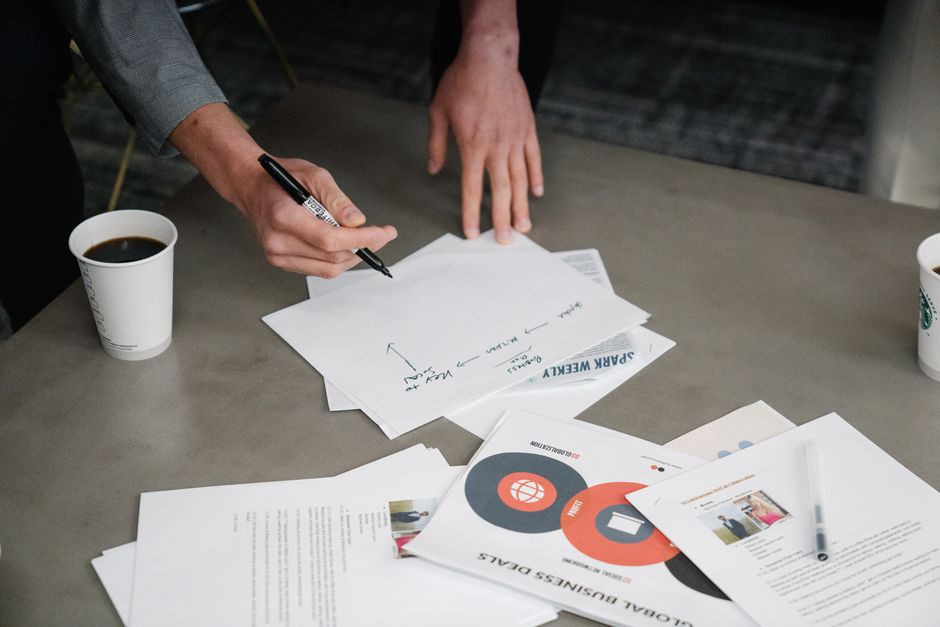
Remote work normalized virtual gatherings, and companies still need skilled planners to execute them well. Virtual event planning is a service business with low overhead and repeatable clients. **Key steps:**
- Learn the leading platforms such as Zoom Events, Hopin, and Whova
- Design agendas that keep attendees engaged across time zones
- Develop sponsorship packages to increase revenue per event
- Deliver post-event analytics so clients can measure ROI
This model works well if you already have network contacts in corporate or nonprofit sectors.
3. Plant-Based Food Delivery
The plant-based food market is projected to hit $162 billion by 2026, according to multiple industry reports. A local or regional plant-based delivery service can carve out a niche without competing against major grocers. **Key steps:**
- Partner with local farmers and certified plant-based kitchens
- Rotate your menu around seasonal, locally available ingredients
- Use route-optimization tools to keep delivery costs down
- Offer weekly or monthly subscription plans for predictable revenue
4. AI-Powered Personal Shopping
Busy professionals often lack time to shop intentionally. An AI-powered personal shopping service curates wardrobe options based on preferences, budget, and body type. **Key steps:**
- License or build an AI recommendation engine trained on fashion data
- Establish affiliate or revenue-share agreements with retailers
- Offer styling notes and occasion-based outfit suggestions
- Test virtual try-on integrations to reduce return rates
**Compliance note:** Be transparent with customers about how their data is used, especially if you store body measurements or style preferences.
5. Eco-Friendly Home Renovation
Homeowners are increasingly asking contractors about sustainable materials and energy-efficient upgrades. An eco-focused renovation business can command premium pricing by delivering verified green outcomes. **Key steps:**
- Specialize in a short list of sustainable techniques — start with insulation, low-VOC paints, and reclaimed materials
- Earn certifications such as LEED or BREEAM to build credibility
- Offer virtual design consultations with 3D renderings to close deals remotely
- Partner with local suppliers to keep material costs competitive
6. Mental Health Tech
Demand for accessible mental health support continues to grow. A compliant, well-designed app or platform can connect users with licensed therapists at a lower cost than traditional in-person visits. **Key steps:**
- Prioritize HIPAA or state-level data privacy compliance from day one
- Partner only with licensed counselors and clearly display their credentials
- Design personalized check-in workflows rather than a one-size-fits-all experience
- Keep your business model transparent — subscription, per-session, or freemium — and stick to it
**Regulatory reminder:** Mental health platforms face strict rules around advertising, data handling, and scope of care. Consult a healthcare attorney before launching.
7. Gamified Fitness
Fitness apps already dominate app store charts, but users still drop off fast. Adding game mechanics — points, streaks, challenges, and leaderboards — can improve retention without reinventing the workout content. **Key steps:**
- Build a points and achievement system tied to real activity
- Offer adaptive workout plans that respond to user progress
- Add community features such as group challenges or buddy matching
- Consider brand partnerships with supplement or apparel companies for monetization
8. Blockchain Real Estate
Blockchain can streamline property transactions by reducing paperwork and increasing transparency through smart contracts. While mainstream adoption is still unfolding, niche platforms are already finding traction. **Key steps:**
- Study your state’s regulations on blockchain-based property records before building
- Partner with licensed real estate agents who want to offer tech-forward clients a modern experience
- Offer clear educational resources so buyers and s rs understand what they are agreeing to
- Start with fractional ownership or tokenized leases rather than full property transactions to limit legal exposure
How to Choose the Right Business Idea for You
Not every concept on this list fits every operator. Before committing, ask yourself three questions: Do you have direct experience with the problem this solves? Is there a realistic path to your first paying customer within six months? Can you name your top two competitors right now? If you can answer all three, you have a viable starting point. For deeper exploration of early-stage strategy, browse our ideas archive for additional guidance on selecting and validating income-focused concepts.
Frequently Asked Questions (FAQ)
Q: What are the most promising business ideas for 2026?
A: The most promising ideas in 2026 combine strong consumer demand with operational feasibility. Sustainable fashion, plant-based food delivery, AI-powered services, and mental health tech all address growing markets with scalable models. Virtual event planning and eco-friendly renovation services offer lower startup costs for solo operators.
Q: How can I ensure the success of my business idea?
A: Success starts before you launch. Conduct real market research — not just Google searches — by talking to five to ten potential customers. Build a lean business plan, secure enough funding to cover your first six months without revenue, and assemble a small but complementary team. Then stay responsive to feedback and willing to adjust your offer based on what the market actually does, not what you expected it to do.
Q: What are the biggest challenges entrepreneurs face in 2026?
A: The main challenges include stiff competition in crowded niches, keeping pace with rapid technology changes, shifting consumer preferences, and broader economic headwinds. Compliance requirements — especially in health, finance, and data — add another layer of complexity. The best defense is staying agile, tracking your numbers weekly, and making decisions based on data rather than assumptions.
Q: Do I need a lot of capital to start one of these businesses?
A: Not necessarily. Service-based models such as virtual event planning and eco-home renovation consulting can launch with under $2,000. Product-based or tech-enabled businesses typically require more — either for inventory, development, or regulatory compliance. Explore bootstrap-friendly options first and raise external capital only when you have proof of demand.
Q: Are these ideas suitable for side income or full-time commitment?
A: Several on this list — virtual event planning, affiliate-based personal shopping, and gamified fitness content — can start as side projects while you keep your current job. Businesses with inventory, licensing requirements, or ongoing client commitments (such as mental health tech or eco-renovation contracts) generally demand full-time attention sooner.
The eight ideas above give you a range of entry points into growing markets. Pick the one that aligns with your skills, audience, and realistic resources — then execute with discipline. For more actionable ideas and business frameworks, explore the full ideas category on this site.
**Note:** Market projections and statistics cited reflect publicly available industry reports as of early 2026. Always verify current figures and regulatory requirements for your specific state and industry before launching.
Top Product Recommendations
| Product Name | Rating | Key Feature | Est. Price | Action |
|---|---|---|---|---|
| Top-rated business planning workbook | ★★★★★ | Editor-recommended business planning workbook from this guide | $18–$42 | Check Lowest Price on Amazon |
| Best-value sustainable fashion materials | ★★★★☆ | Affordable sustainable fashion materials — strong everyday results | $12–$28 | Check Lowest Price on Amazon |
| Premium AI recommendation engine software | ★★★★☆ | Higher-end AI recommendation engine software for visible, lasting results | $45–$95 | Check Lowest Price on Amazon |
Affiliate Disclosure: This post contains affiliate links. We may earn a commission if you buy through our links, at no extra cost to you.
Leave a Reply