
{## Shopify Dropshipping Niche Ideas: Low Competition Playbook for 2026
Finding a profitable angle in **Shopify dropshipping niche ideas for low competition in 2026** comes down to one core decision: niche selection. The stores winning on thin margins aren’t selling everything to everyone — they’re selling specific products to highly defined audiences where few established competitors have staked a claim. This playbook walks you through identifying those niches, building a functional store, and scaling without burning through your budget.
The dropshipping model itself is straightforward — you list products, customers order, suppliers ship directly. What’s shifted is the competitive landscape. Broad categories like phone cases or generic fitness gear are saturated. Low-competition niches offer better ad economics, stronger SEO potential, and more loyal repeat buyers. Understanding how to find and validate those niches before you build is the work that separates stores that last from stores that close inside 90 days.
This guide covers the full cycle: research, store setup, supplier sourcing, marketing, fulfillment, and scaling. Expect realistic numbers, honest trade-offs, and no income guarantees.
—
Identifying Low-Competition Niches
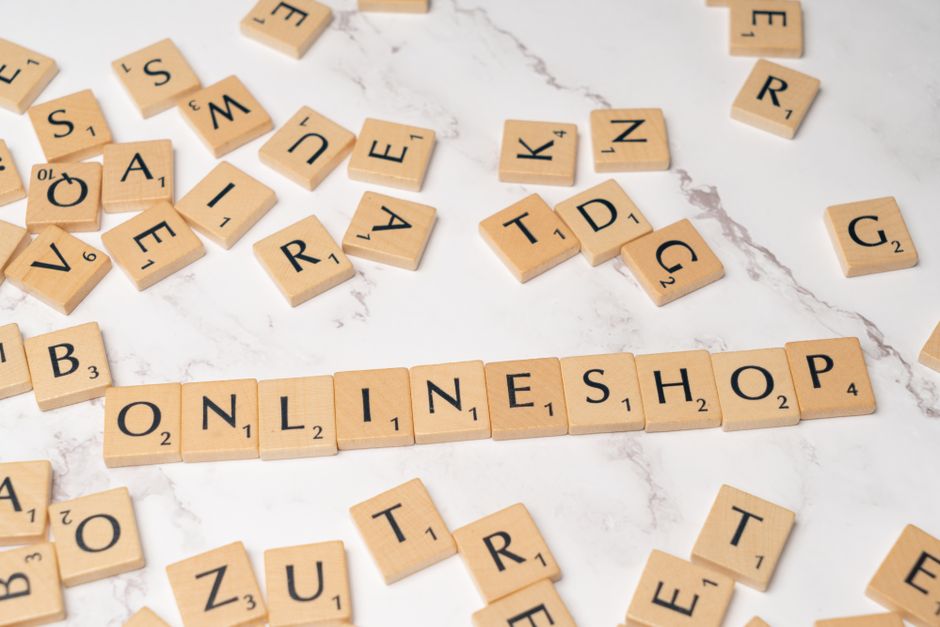
The most reliable niche research in 2026 starts with trend-gap analysis — finding categories where consumer demand is rising but established stores haven’t fully claimed the space. Google Trends, keyword planners, and marketplace search data from Amazon and Etsy best-s r lists are your baseline. Look for upward-trending search volume over 12–24 months, not a single-month spike that disappears by next quarter.
Apply three filters when evaluating any niche:
- **Search demand**: 1,000–20,000 monthly searches for core terms signals real interest without overwhelming competition
- **Buyer intent**: Purchase-intent phrases — “buy,” “best,” “cheap,” or “for [specific use case]” — confirm people are looking to spend, not just browse
- **Margin potential**: Avoid niches where products retail under $20. After ad spend and supplier cost, margins collapse fast
Categories showing low-competition signals heading into 2026 include adaptive clothing for seniors, minimalist pet travel gear, eco-friendly home organization, and niche hobby consumables like specialty art mediums or small-batch cooking tools. These share structural traits that matter: passionate buyers, repeat purchase potential, and limited big-box retailer interest.
For a deeper look at how to think about this research phase, the broader context of [building a dropshipping business from the ground up](https://sieunjayc.blog/category/dropshipping/) is worth understanding before you commit to a niche.
Spend at least two weeks on niche validation before touching Shopify. A poor niche selection is the single most common reason new dropshippers quit within 90 days.
—
Editor’s pick: dropshipping business startup guide book — see current prices and reviews.
Setting Up Your Shopify Store
Once you’ve locked in a niche, store setup should take one to two focused weeks — not months. Your domain name should reflect the niche without being so narrow that it boxes you in when you expand product lines later. Avoid hyphens and keep it under 15 characters where possible.
For design, Shopify’s free themes handle mobile-first layouts well and don’t require a developer to produce a clean, professional result. Prioritize:
- **Clean navigation**: Limit top-level menu items to four or five categories
- **Product page clarity**: High-quality images, bullet-point benefits, and clear shipping estimates
- **Trust signals**: A reviews widget, return policy link, and SSL badge visible above the fold
Essential apps to install at launch:
- A supplier integration app that connects your store to supplier catalogs and automates order routing
- A review aggregator for social proof
- An email capture and automation tool for abandoned cart and post-purchase flows
- A currency converter if you’re targeting international English-speaking markets
Keep your app stack lean. Every app adds page load time, and site speed directly affects both SEO rankings and conversion rates — two things you can’t afford to sacrifice early.
—
Sourcing Products and Suppliers
Supplier quality is where most dropshipping businesses quietly fail. A cheap product from an unreliable supplier creates a customer service problem that no marketing budget can fix. In 2026, US-based or domestic-country suppliers are worth the higher wholesale cost because they cut shipping times significantly — and shipping time is a major driver of customer satisfaction scores and review quality.
When evaluating suppliers, check for:
- **Sample orders**: Always order samples before listing. Assess packaging, product quality, and actual shipping time against quoted estimates.
- **Communication responsiveness**: A supplier that takes three days to respond during vetting will take three days when a customer issue is urgent.
- **Policy clarity**: You need documented return and refund terms before you can write your own store policy.
Negotiating leverage at small volumes is limited, but you can ask for net-30 payment terms after 10 or more orders, priority processing once you’re demonstrating consistent volume, and exclusive SKUs or custom packaging after six to twelve months of proven business.
Maintain at least two suppliers per product category. Single-supplier dependency creates fragile fulfillment risk — if that one supplier has a stockout or delays, your store takes the hit.
—
Marketing Strategies for Low-Competition Niches
The structural advantage of a low-competition niche is that organic search traffic is actually attainable. In saturated categories, SEO takes years of sustained effort. In a well-chosen micro-niche, a handful of well-optimized product and blog pages can rank within three to six months.
Core marketing channels for 2026:
- **SEO**: Target long-tail keywords — four or more words with purchase intent. “Best compact litter box for small apartments” outperforms “cat litter box” in both competition level and conversion quality.
- **Pinterest and TikTok**: Visual-first platforms where niche products get meaningful organic reach without paid spend, especially in home, hobby, and lifestyle categories
- **Meta ads**: Start with a $15–20/day test budget using interest-based targeting tied directly to your niche community. Scale only after confirming conversion.
- **Email sequences**: A three-email welcome series, abandoned cart reminders at one hour and 24 hours, and a post-purchase review request are baseline automations — not optional extras
Content marketing matters more than most new dropshippers expect. A niche blog that answers real buyer questions builds SEO equity and positions your store as a resource — not just a place to transact.
—
Managing Logistics and Fulfillment
Logistics is where customer trust is won or lost. Set realistic shipping expectations on every product page. If your supplier ships in five to eight business days, display six to ten days publicly. Under-promise and over-deliver is a simple principle that prevents a large percentage of negative reviews.
A functional fulfillment process requires:
- **Automated order routing**: Your supplier integration app should push orders within minutes of purchase. Manual forwarding introduces delays and human error.
- **Tracking updates**: Automatically email tracking numbers to customers. Post-purchase silence is the fastest path to chargebacks.
- **Returns workflow**: Decide who pays return shipping — you, the customer, or a cost split with the supplier — before your first return arrives, not during it
Check supplier stock levels weekly for your top-selling SKUs. A stockout on a product you’re actively advertising wastes ad spend and damages the customer experience in a way that’s difficult to recover from.
—
Scaling Your Business for Growth
Scaling in dropshipping isn’t just running more ads — it’s building operational resilience first. Before increasing ad spend, confirm your supplier can handle three to five times your current order volume without fulfillment degradation. Ask directly and document the answer.
Scaling steps in order:
1. Optimize existing product pages for conversion rate before adding new products
2. Expand SKU depth within your proven niche before entering adjacent categories
3. Test a second traffic channel — if you started with Meta ads, add Google Shopping or TikTok
4. Introduce a private-label option for your top-selling SKU once volume justifies the investment
5. Build a repeat-purchase incentive — subscription offers, bundle discounts, or VIP pricing structures
A realistic timeline: stores that succeed typically take six to twelve months to reach $5,000/month in revenue. Stores that scale past $20,000/month usually have 18 or more months of iteration behind them. Anyone promising faster results without acknowledging the effort required is selling something other than dropshipping advice.
If you’re still weighing whether the model fits your situation, reviewing what [dropshipping actually involves operationally](https://sieunjayc.blog/category/dropshipping/) before committing to a niche and platform is time well spent.
—
Avoiding Common Pitfalls in Dropshipping
The failure rate in dropshipping is high — estimates suggest 80–90% of new stores close within a year. Most failures trace back to a handful of avoidable mistakes.
| Pitfall | Why It Happens | How to Avoid It |
|---|---|---|
| Poor supplier vetting | Choosing on price alone | Order samples, check reviews, test communication speed |
| Niche too broad | Fear of limiting the audience | Specificity beats breadth at launch — niche down |
| Ignoring customer complaints | Volume overwhelm | Set up a ticketing system from day one |
| Copying competitor stores | Shortcut temptation | Differentiate on branding, content, and UX |
| Overspending on ads too early | Impatience | Validate organically first, then scale paid spend |
| Single supplier dependency | Convenience | Always maintain a backup supplier relationship |
Product quality control deserves ongoing attention beyond initial vetting. Supplier quality can drift after your first sample order. Read your store reviews weekly — a recurring pattern of quality complaints is a supplier problem, not a customer problem. Address it before it compounds into a reputation issue.
Handle negative reviews publicly and promptly. A well-managed one-star response often does more to convert skeptical buyers than five-star reviews alone.
—
Frequently Asked Questions (FAQ)
**Q: What are the most important factors when choosing a low-competition niche for Shopify dropshipping?**
Prioritize three factors: confirmed consumer demand via keyword tools and trend data, purchase intent in search behavior, and a viable margin structure. Products retailing between $30 and $150 give you enough room to cover supplier cost, ad spend, and still generate profit. A niche with passionate repeat buyers and limited big-box retail presence is your target profile.
**Q: How do I market a Shopify dropshipping store in a low-competition niche without a large ad budget?**
Start with SEO-optimized product pages and two or three niche-specific blog posts targeting long-tail buyer keywords. Build a Pinterest or TikTok presence organically — visual niches get meaningful free reach on both platforms. Reserve paid ads for after you’ve confirmed that at least one product converts organically. That way you’re amplifying something proven rather than spending on an unknown.
**Q: What are the biggest operational mistakes new dropshippers make in 2026?**
The three most common are launching without supplier sample testing, running ads before validating product-market fit organically, and skipping post-purchase email automation. That last one is particularly costly — a properly configured welcome series, abandoned cart sequence, and review request typically recovers 10–15% of otherwise lost revenue with minimal ongoing effort once the setup is complete.
**Q: How long does it realistically take for a Shopify dropshipping store to become profitable?**
Most stores that reach sustainable profitability do so between months six and twelve, assuming consistent effort on niche research, content, and supplier management. Early months are typically a loss as you test products and channels. Stores that scale meaningfully past $10,000/month almost always have over a year of operational learning behind them.
**Q: Do I need to register a business entity before launching a Shopify dropshipping store in the US?**
You can technically start testing with a sole proprietorship, but forming an LLC early provides liability separation and makes it easier to open a dedicated business bank account and process payments. Consult a tax professional about your specific state requirements — sales tax obligations for dropshipping businesses vary by state and supplier location, and getting that wrong creates compliance problems as volume grows.
Top Product Recommendations
| Product Name | Rating | Key Feature | Est. Price | Action |
|---|---|---|---|---|
| Top-rated dropshipping business startup guide book | ★★★★★ | Editor-recommended dropshipping business startup guide book from this guide | $18–$42 | Check Lowest Price on Amazon |
| Best-value Shopify ecommerce store planner | ★★★★☆ | Affordable Shopify ecommerce store planner — strong everyday results | $12–$28 | Check Lowest Price on Amazon |
| Premium product sourcing and supplier management book | ★★★★☆ | Higher-end product sourcing and supplier management book for visible, lasting results | $45–$95 | Check Lowest Price on Amazon |
Affiliate Disclosure: This post contains affiliate links. We may earn a commission if you buy through our links, at no extra cost to you.
Leave a Reply