
If you’re researching **how to build credit score fast legally USA**, you’re in good company. Millions of Americans work on this every year, and with the right approach, real progress is visible in as little as 3–6 months.
Understanding Your Credit Score

A **credit score** is a three-digit number between 300 and 850 that lenders use to gauge repayment risk. The FICO model is the most widely used. Scores above 670 are considered good, and 740+ unlocks the best loan rates available.
Your score affects far more than borrowing — it influences apartment rentals, car loans, mortgage approvals, and in some cases, job offers. A weak score can cost thousands in higher interest over a lifetime.
The five factors that drive your score:
- **Payment history** (35%) — the single biggest factor
- **Credit utilization** (30%) — your balance-to-limit ratio
- **Length of credit history** (15%) — how long accounts have been open
- **Credit mix** (10%) — variety of account types
- **New credit inquiries** (10%) — recent applications
Quick pick: Compare top-rated Advice options.
Check Your Credit Report First
Before making any moves, know where you stand. The federally mandated site **AnnualCreditReport.com** provides free weekly reports from all three major bureaus — Equifax, Experian, and TransUnion. This is your starting point, not an optional step.
Approximately 1 in 5 Americans has at least one error on their credit report. Errors you should look for include:
- Accounts you never opened (possible fraud)
- Payments incorrectly marked late
- Wrong personal information
- Duplicate accounts or inaccurate balances
- Negative items older than 7 years that should have aged off
For practical credit repair advice grounded in legal consumer rights, the dispute process under the Fair Credit Reporting Act (FCRA) is one of the most powerful free tools available to you.
Building Credit History From Scratch
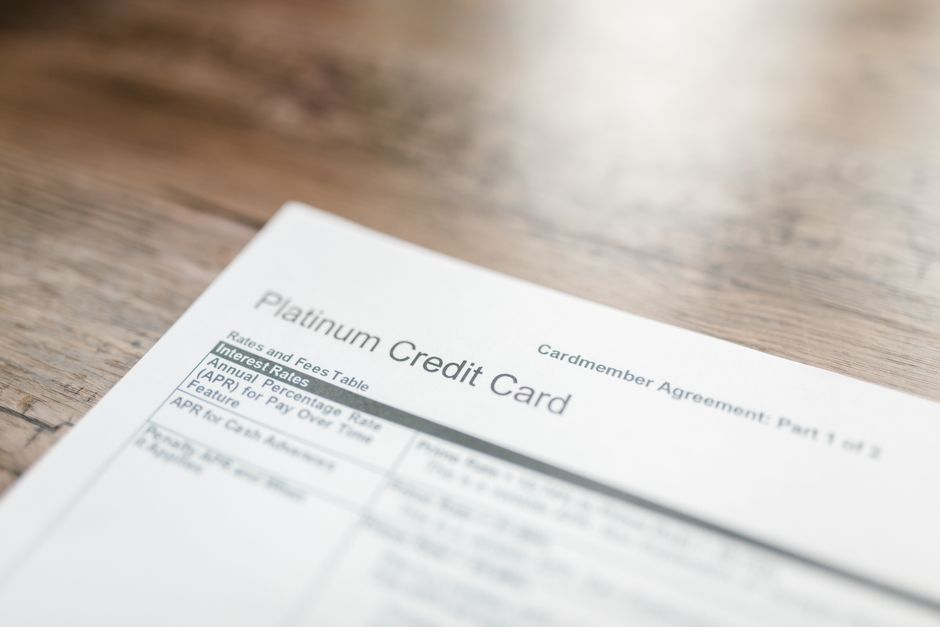
**Credit history length** contributes 15% to your score, so starting early matters. With no history, lenders have no data to evaluate — which alone can trigger denials.
The most accessible entry points:
- **Secured credit cards** — you fund a deposit, the card reports like a regular account
- **Credit-builder loans** — available at many credit unions and online lenders specifically for this purpose
- **Becoming an authorized user** on a family member’s account with a solid track record
- **Student credit cards** — designed for limited-history applicants
Open accounts intentionally, use them lightly, and pay in full every month. Avoid opening several accounts at once — it signals financial stress to scoring models.
Managing Credit Utilization
**Credit utilization** is your balance divided by your total credit limit. Carry a $2,500 balance on a $5,000 limit and your utilization is 50% — which actively hurts your score.
The target is **below 30%**, but under 10% produces the best results. Paying down a high balance can lift your score within a single billing cycle.
Practical ways to keep utilization low:
- Pay before the **statement closing date**, not just the due date
- Request a credit limit increase (ask for a soft inquiry only)
- Spread purchases across multiple cards if available
- Keep old cards open — closing them reduces your total available credit
| Utilization Rate | Score Impact |
|---|---|
| 0–9% | Exc nt |
| 10–29% | Good |
| 30–49% | Fair — starts hurting |
| 50–74% | Poor |
| 75–100% | Major score damage |
Paying Bills on Time
**Payment history** is 35% of your FICO score. One 30-day late payment can drop a strong score by 60–110 points and stays on your report for up to seven years.
The simplest fix is automation. Set up autopay for at least the minimum on every account. Then make additional payments manually to reduce balances faster.
If you miss a payment:
- Pay the overdue amount immediately
- Call your lender and request a **goodwill adjustment** — many will remove a single late mark for customers with clean history
- Never let one missed payment roll into 60 or 90 days late
Avoiding Unnecessary Credit Applications
Every new credit application triggers a **hard inquiry**, typically dropping your score 5–10 points. Multiple applications in a short window signal financial stress to scoring models.
Hold off on new applications:
- Within 6–12 months before a major loan like a mortgage
- When your score is already low and recovering
- If you’ve applied for 2+ accounts in the past 90 days
Alternatives that avoid a hard pull include pre-qualification tools, authorized user status, and soft-inquiry credit limit increase requests.
Correcting Errors on Your Credit Report
Disputing errors is one of the **fastest and most underused** legal strategies available. Under the FCRA, you have the right to dispute inaccurate information — at no cost.
The dispute workflow:
1. Pull reports from all three bureaus
2. Document the specific error with account numbers and dates
3. File a dispute on the bureau’s official website
4. Submit supporting documents — payment confirmations, bank statements
5. The bureau has **30 days** to investigate
6. If resolved in your favor, the correction must appear on your report
7. If denied, escalate to the **Consumer Financial Protection Bureau (CFPB)** at consumerfinance.gov
For more actionable financial advice on navigating disputes and protecting your consumer rights, persistence pays off — bureaus are legally required to respond.
Scaling Your Credit Strategy Over Time
Once the basics are stable — consistent payments, low utilization, no unnecessary inquiries — focus on building a **diversified credit profile** over 12–24 months.
Key milestones:
- **Months 3–6**: Utilization drops, payment streak begins, early score gains appear
- **Months 6–12**: Secured card may graduate to unsecured; credit-builder loan completes
- **Year 1–2**: History length strengthens; scores often reach the 700s with disciplined management
- **Year 2+**: Qualify for prime credit products and favorable mortgage pre-approvals
Common mistakes to avoid as you scale:
- Don’t close old accounts — they support your average age of accounts
- Don’t chase rewards cards if you carry a balance
- Monitor your report quarterly using free tools from your bank or card issuer
- Freeze your credit at all three bureaus when not actively applying — it’s free and blocks fraud
Frequently Asked Questions
How long does it take to build a good credit score?
With consistent on-time payments and low utilization, most people see meaningful improvement in **3–6 months**. Moving from no credit to above 700 typically takes 12–24 months of disciplined management.
Can I build credit without a credit card?
Yes. **Credit-builder loans**, rent-reporting services that submit to bureaus, and authorized user status on another person’s account are all card-free paths that still report to the major bureaus.
What should I do if I find an error on my credit report?
File a dispute directly with the reporting bureau through their official website. Include documentation like payment receipts or account statements. The bureau must investigate within **30 days** under the FCRA. If unresolved, escalate to the CFPB.
Top Product Recommendations
| Product Name | Rating | Key Feature | Est. Price | Action |
|---|---|---|---|---|
| Top-rated credit builder loan kit | ★★★★★ | Editor-recommended credit builder loan kit from this guide | $18–$42 | Check Lowest Price on Amazon |
| Best-value credit score monitoring book | ★★★★☆ | Affordable credit score monitoring book — strong everyday results | $12–$28 | Check Lowest Price on Amazon |
| Premium personal finance budgeting planner | ★★★★☆ | Higher-end personal finance budgeting planner for visible, lasting results | $45–$95 | Check Lowest Price on Amazon |
Affiliate Disclosure: This post contains affiliate links. We may earn a commission if you buy through our links, at no extra cost to you.
Leave a Reply