
The 2026 Investment Landscape: What Actually Changed
In 2026, the investment landscape looks fundamentally different. **Three forces are reshaping market conditions**: AI disruption, geopolitical fragmentation, and the end of the low-rate era. BlackRock and Goldman Sachs have both warned about elevated volatility, with markets now **top-heavy and vulnerable to sudden shocks**.
For individual investors, this means **index funds are no longer the safe havens they once were**. Duration risk in bond portfolios is higher, and the AI-driven market is causing sudden shifts that traditional models can’t predict.
**The honest difference between macro headlines and your personal portfolio** is starker than ever. Your time horizon, liquidity needs, and risk tolerance are what matter — not whether the S&P is up or down on any given day.
Editor’s pick: low cost index funds — see current prices and reviews.
Why Traditional Advice Falls Apart in 2026
Most **traditional investment advice falls apart in 2026** because it doesn’t account for the current market structure. Set-it-and-forget-it portfolios ignore the need for active rebalancing and cost management, while high-valuation stocks carry more downside risk than upside potential.
AI-driven dynamics have changed the risk profile of passive strategies, making them more volatile and correlated than many investors realize. And the **compliance and tax complexity of managing a real portfolio** catches many beginners off-guard in their first year of serious investing.
The Investment Advice Framework: 5 Questions Before You Commit a Dollar
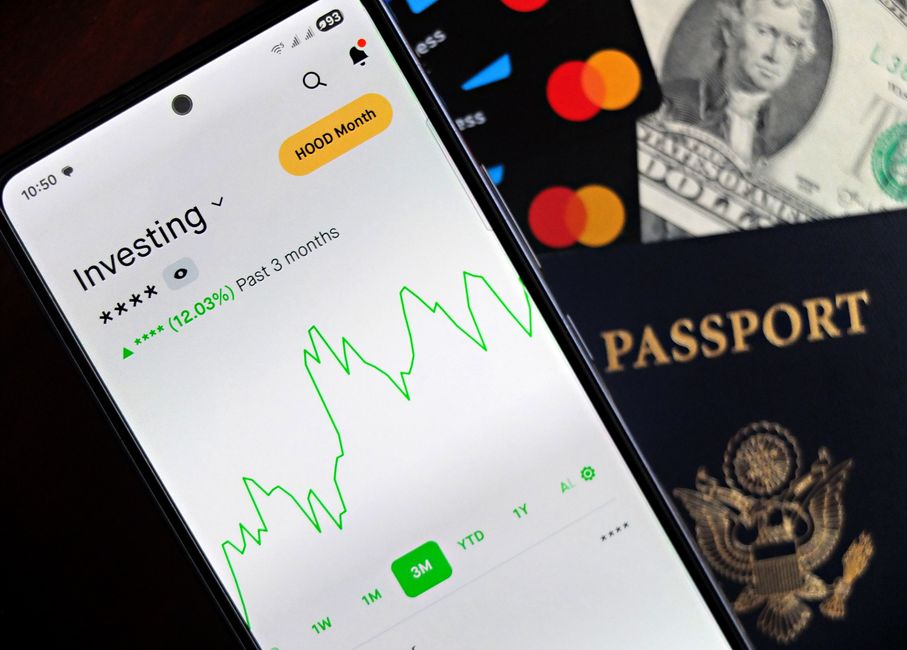
Before committing any money, ask yourself these five key questions:
1. **Time horizon**: Are you building income, protecting capital, or growing wealth?
2. **Liquidity need**: How much do you need accessible in the next 12 months?
3. **Risk tolerance vs. risk capacity**: They’re not the same thing.
4. **Fee awareness**: The fund with the lower expense ratio often wins over 10 years.
5. **Income purpose**: Is this for reinvestment, cash flow, or capital preservation?
Use these questions as your decision filter before considering any platform or asset class recommendations.
Asset Classes Worth Understanding in 2026 (The Honest Breakdown)
In 2026, these are the asset classes worth understanding:
- **US equities**: The AI premium is priced in, and valuations are high.
- **Bonds and fixed income**: The traditional 60/40 portfolio needs a second look.
- **REITs**: Passive income seekers are finding yield in a high-rate environment.
- **Alternatives**: Small business, private lending, digital income streams.
- **Cash positions**: The underrated strategy for elevated rates.
- **Commodities and international**: Diversification tools to use sparingly.
Each has its place, but **understand the tradeoffs and correlations before investing**.
The Side Hustle to Investment Pipeline (Business Income Angle)
Building a **digital income stream first** can fund better investment decisions than starting with a brokerage account. The realistic workflow is:
1. Build side income
2. Establish an emergency buffer
3. Invest in a diversified portfolio
4. Reinvest passive returns
**Common cost surprises** in online business can bleed investment capital if not managed properly. And the **honest timeline** is longer than most influencers admit — it takes most people 1–2 years of consistent effort to build a meaningful side income stream.
Building Your Portfolio Step by Step: A Realistic Sequence
Here’s a realistic sequence for building a portfolio:
1. **Emergency fund first** (most people skip this step)
2. **Clear high-interest debt** before aggressive investing
3. **Tax-advantaged accounts** as your foundation (401k, IRA, HSA)
4. **Core portfolio** with low-cost index funds
5. **Satellite investments** like real estate or side business (after steps 1–4)
6. **Automate investing** to avoid market timing
**Common sequencing mistakes** cost beginners 3–5 years of compounding by investing in the wrong order.
Common Investment Mistakes 2026: Failure Modes and Fixes
Avoid these common mistakes in 2026:
- **Chasing last year’s winner**
- **Over-concentration** in AI stocks
- **Ignoring bond duration risk**
- **Using 2024 mental models** for a 2026 market
- **Investing side hustle profits** without separating business and personal finances
- **Ignoring tax-loss harvesting** opportunities
- **Selecting platforms based on marketing**, not fees or liquidity
Risk Management Without a Financial Advisor: Practical Tools
Use these tools to manage risk without a financial advisor:
- **Fund’s Sharpe ratio and beta**
- **Portfolio stress-testing** with free tools
- **Position sizing rules** (never more than 10–15% in any single holding)
- **Rebalancing triggers**
- **Stop-loss mental boundaries**
- **Journaling investment decisions**
Scaling Investment Income: When You’re Ready to Go Beyond Index Funds
When you’re ready to scale, consider these strategies:
- **Income-first mindset**: Dividends, distributions, and interest as portfolio goals
- **Real estate crowdfunding** platforms
- **Private lending and notes**
- **Small business ownership** as an investment
- **Hiring a fee-only advisor** without getting upsold
- **Accredited investor opportunities** vs. regular income earners
Investment Platforms: What Works in 2026 for Active Builders
For active investors, consider these platforms:
- **Major brokerages** ranked for fees, tools, and usability
- **Cash management accounts** and high-yield savings
- **Robo-advisors** when automation makes sense
- **Tax reporting tools** that save hours during filing season
- **Platform red flags** to avoid: hidden fees, transfer restrictions, complex structures
- **How to consolidate accounts** without triggering taxable events
The Honest Timeline: What to Expect Year by Year
Here’s what to expect each year:
- **Year 1**: Most new investors lose money on paper at some point — it’s normal.
- **Years 2–3**: Compounding starts to feel real (if you haven’t abandoned your strategy).
- **Years 3–5**: Evaluate whether your current strategy is working or drifting.
- **The mental challenge**: Investors often abandon good strategies during bad years.
- **Realistic income targets** for passive income seekers at each stage.
- **When to pivot** your strategy vs. when to stay the course.
Frequently Asked Questions (FAQ)
Q: What is the best investment advice for beginners in 2026?
A: Focus on **low-cost index funds**, build an **emergency fund first**, and **use tax-advantaged accounts** as your foundation. Avoid hype around specific platforms or stocks.
Q: Is 2026 a good year to start investing or should I wait for a correction?
A: **Market timing vs. time-in-market** is the key debate. BlackRock and Goldman Sachs believe 2026 will be volatile, but trying to predict a correction is a losing game for most investors. **Start with an emergency fund and invest consistently over time**.
Q: How do I invest with side hustle income without mixing it with my personal budget?
A: **Separate accounts, profit-first allocation, and tax separation** are key steps. Treat your side hustle like a business and reinvest a percentage of profits into your investment portfolio.
Q: What are the biggest investment risks right now that most people are ignoring?
A: **AI market concentration, geopolitical exposure, and fee erosion over time** are the biggest risks. Most investors are too focused on short-term returns and not enough on structural risks that can compound against them over years.
Top Product Recommendations
| Product Name | Rating | Key Feature | Est. Price | Action |
|---|---|---|---|---|
| Top-rated low cost index funds | ★★★★★ | Editor-recommended low cost index funds from this guide | $18–$42 | Check Lowest Price on Amazon |
| Best-value emergency fund savings account | ★★★★☆ | Affordable emergency fund savings account — strong everyday results | $12–$28 | Check Lowest Price on Amazon |
| Premium tax advantaged investment accounts | ★★★★☆ | Higher-end tax advantaged investment accounts for visible, lasting results | $45–$95 | Check Lowest Price on Amazon |
Affiliate Disclosure: This post contains affiliate links. We may earn a commission if you buy through our links, at no extra cost to you.
Leave a Reply