**H1:** *Advice: Business Playbook — Best Investment Advice 2026*
**Target reader problem:** A US side-hustle earner or passive-income chaser who has cash sitting idle or in a savings account and doesn’t know where to put it in 2026 without getting burned by AI-era volatility, compliance confusion, or hype-driven plays.
—
Why 2026 Demands a Smarter Investment Approach
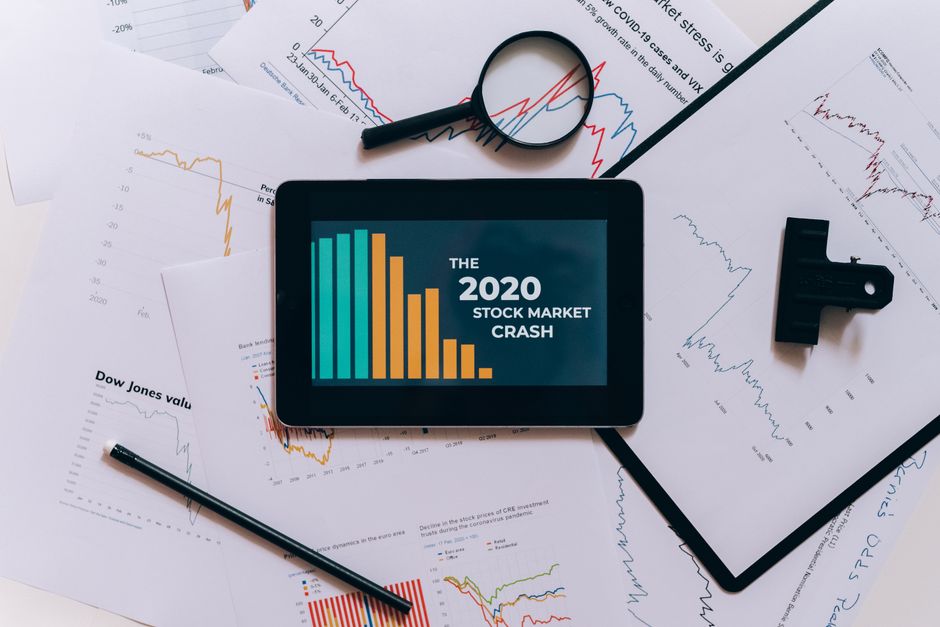
- The post-consensus era is reshaping returns — globalization unwind and regional trade shifts are real
- AI-driven market volatility is not a 2025 story; it is the 2026 baseline
- Your 2022 playbook is expired; old benchmarks and “set it and forget it” index strategies need a refresh
- Honest framing: the learning curve is real, and this guide respects that
Editor’s pick: Dividend ETFs — see current prices and reviews.
The 2026 US Market Landscape: What Actually Changed
- GDP forecast holding near 3.8% — solid but not a tailwind without direction
- Liquidity constraints are tightening VC and startup valuations downstream to retail investors
- Sector rotation: tech, infrastructure, and dividend aristocrats outperforming speculative plays
- Federal Reserve signal clarity (or lack thereof) and how it affects bond and equity pricing
Dividend ETF Strategy: SCHD vs. JEPQ vs. QQQI in 2026
- What income-focused investors are actually choosing and why
- Yield vs. growth trade-off broken down in plain numbers
- Tax implications of ETF dividend distributions US investors consistently miscalculate
- Which funds passed the 3-year stress test and which are newer plays with limited history
Passive Income Through Real Estate: Multifamily Syndications Explained
- What “15–20% average annual returns” actually means after fees, vacancy, and taxes
- Accredited investor vs. non-accredited pathways — compliance basics you cannot skip
- How to evaluate a syndication deal page before signing anything
- Red flags: inflated projected returns, vague sponsor track record, missing PPM details
AI as an Investment Variable: Where the Real Money Moved in 2025–2026
- AI adoption stocks are no longer early — where smart money is rotating next
- Avoiding the AI hype trap: pure-play AI companies vs. AI-adjacent earnings plays
- How retail investors access AI infrastructure plays without buying individual speculative stocks
The Cost Surprises That Kill Investment Returns (Hidden Fees Edition)
- Expense ratios, bid-ask spreads, and load fees most US investors overlook
- Brokerage platform comparison: flat-fee vs. commission-free — what actually saves you money long-term
- Tax-loss harvesting mistakes that trigger wash-sale penalties
- REIT vs. direct real estate: cost-of-capital comparison that most comparison articles skip
Side-Hustle Capital Deployment: When to Invest vs. When to Reinvest in the Business
- Income threshold logic: at what revenue level does investment become smarter than business reinvestment
- The 6-month runway rule before allocating side-hustle profits to passive vehicles
- Which business expenses (tools, ads, automation) outrank investment returns at early stages
Risk Management for 2026: What the “Set It and Forget It” Crowd Gets Wrong
- Portfolio rebalancing frequency — annual is not enough in an AI-volatile market
- Liquidity ladder strategy for income-focused investors who need cash access
- Sector concentration risk: how overexposure to one theme destroys a 3-year plan
- Emergency fund threshold before any investment allocation — non-negotiable baseline
Compliance Basics US Investors Cannot Skip in 2026
- Section 199A pass-through deduction and how it affects REIT and ETF income reporting
- crypto and alternative asset reporting on Form 8949 — mistakes trigger audits
- What “accredited investor” status actually gates you into (and out of)
- State-level tax complications for REITs and multi-state dividend income
Frequently Asked Questions (FAQ)
What is the safest investment with the highest return in 2026?
There is no single “safest with highest return” — that is the risk/return trade-off in plain terms. Low-risk vehicles like Treasury bonds and high-yield savings accounts offer modest returns (4–5% in 2026), while equity dividend strategies carry more volatility but historically outperform over 5+ year horizons. The honest answer is a portfolio blend calibrated to your timeline and risk tolerance, not one product.
Is dividend investing still worth it in 2026?
Yes — for investors with a 3-to-5-year horizon, quality dividend ETFs like SCHD and covered-call strategies like JEPQ remain viable passive income vehicles. The key is selecting funds with consistent payout growth records, not chasing raw yield numbers, which often signal unsustainable distributions.
How much money do I need to start investing for passive income?
You can start with as little as $500–$1,000 in a dividend ETF or fractional real estate platform. However, meaningful passive income ($200–$500/month) typically requires $50,000–$100,000 in properly allocated assets. Building to that range with consistent monthly contributions is the realistic path most Americans use — not a lump-sum windfall.
What investment mistakes cost beginners the most money in 2026?
Top three are: (1) emotional selling during AI-driven market swings — locking in losses, (2) ignoring fee drag — a 1% annual fee compounded over 20 years erodes roughly 20% of your final balance, and (3) over-concentration in “hot” sectors driven by social media hype without understanding underlying fundamentals. A written investment policy statement — even one page — prevents all three.
Top Product Recommendations
| Product Name | Rating | Key Feature | Est. Price | Action |
|---|---|---|---|---|
| Top-rated Dividend ETFs | ★★★★★ | Editor-recommended Dividend ETFs from this guide | $18–$42 | Check Lowest Price on Amazon |
| Best-value Real Estate Investment Trusts (REITs) | ★★★★☆ | Affordable Real Estate Investment Trusts (REITs) — strong everyday results | $12–$28 | Check Lowest Price on Amazon |
| Premium Investment policy statement template | ★★★★☆ | Higher-end Investment policy statement template for visible, lasting results | $45–$95 | Check Lowest Price on Amazon |
Affiliate Disclosure: This post contains affiliate links. We may earn a commission if you buy through our links, at no extra cost to you.
Leave a Reply