
{# Amazon FBA Beginner Guide: How to Start with $500
If you’re searching for an honest **amazon fba beginner guide start with 500 dollars**, you’re in the right place. This isn’t a get-rich-quick pitch — it’s a realistic breakdown of what it takes to launch a functional Amazon FBA operation on a tight budget, make smart early decisions, and avoid the costly mistakes that sink most beginners before they get traction.
Five hundred dollars is a lean starting point. It’s workable, but only if you allocate every dollar with intention. Let’s walk through the full process, from picking a product to scaling past your first profitable month.
—
Is $500 Actually Enough to Start Amazon FBA?
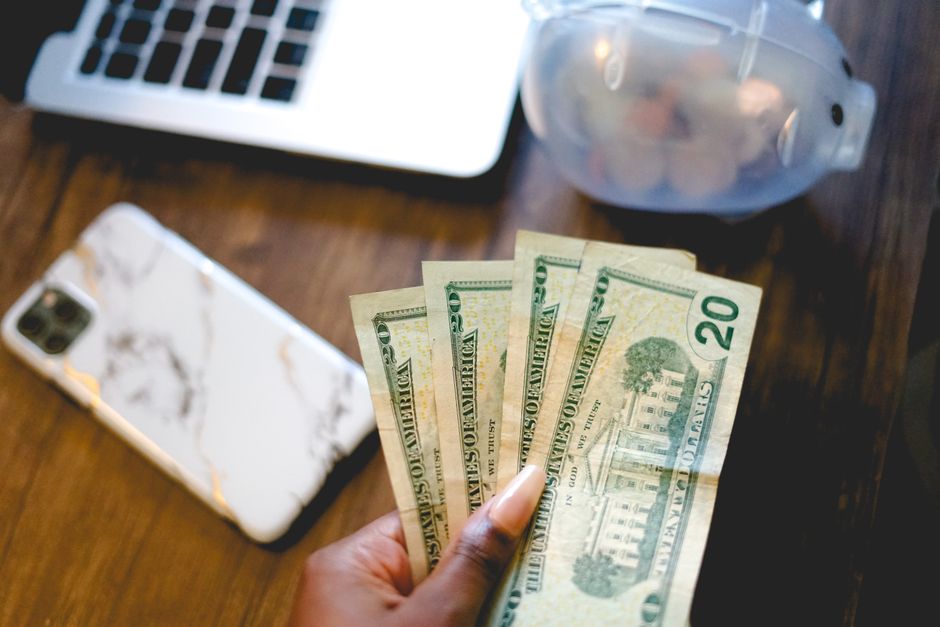
Straight answer: yes, but barely — and only if you stay disciplined. Your $500 needs to cover product research tools, your first inventory order, packaging and prep materials, and your Amazon s r account fee. There’s no room for impulse buys or oversized first orders.
Most beginners who fail at this budget level do so because they underestimate fees or overbuy inventory on an untested product. A realistic breakdown looks something like this:
- **Amazon Professional S r account**: ~$39.99/month
- **Product research tool (entry plan)**: ~$29–$49/month
- **First inventory order (small MOQ)**: ~$300–$350
- **Shipping to Amazon fulfillment center**: ~$50–$80
- **Miscellaneous (labels, packaging, samples)**: ~$30–$50
That’s a tight fit. Which is exactly why the decisions you make in the first two steps — research and sourcing — determine everything.
—
Editor’s pick: Amazon FBA guide — see current prices and reviews.
Market Research: Finding a Product That Fits a $500 Budget
This is where you spend your time, not your money. Before a single dollar leaves your account, you need to validate that a product has real demand, manageable competition, and a price point that leaves room for profit after Amazon’s FBA fees.
Focus on products priced between $20–$45. Below $20, margins get crushed by fees. Above $45, your inventory cost per unit climbs fast, and a $500 budget won’t get you enough units to test properly.
Use a tool like Jungle Scout or Helium 10 to check monthly sales volume, average review counts, and keyword search trends. You’re looking for niches where the top s rs have under 200 reviews — that signals an opening for a new entrant. Avoid seasonal-only products, anything with strict safety certifications, and categories dominated by major brands.
Lightweight, non-fragile, non-regulated products are your friends at this budget. Think: kitchen accessories, organizational tools, pet accessories, or hobby supplies. Keep the product simple enough that a supplier can produce it without major customization.
—
Setting Up Your Amazon S r Central Account

Once you have a product direction, set up your Amazon S r Central account before you finalize your supplier. You’ll want the **Professional account** ($39.99/month) rather than the Individual plan if you expect to sell more than 40 units per month — which you should plan for.
During setup, Amazon will ask for business information, tax ID (your SSN works if you’re a sole proprietor, or use an EIN if you’ve formed an LLC), and bank account details for disbursements. Have these ready before you start.
Configure your shipping settings for FBA from the start. Under the FBA setup section, you’ll enroll in the program, agree to the service terms, and get access to the shipment creation workflow. Take time to read Amazon’s current FBA fee structure — storage fees, fulfillment fees, and referral fees vary by category and product size tier, and they change periodically.
Understanding the full scope of Amazon FBA operations and fees before you commit to a product is one of the most overlooked steps beginners skip.
—
Sourcing Inventory: Working With Suppliers on a Tight Budget
With a $500 budget, Alibaba is the most practical starting point for sourcing. Use the “Trade Assurance” filter to reduce risk, and always request samples before placing a full order — even if it costs $20–$40, it’s worth it.
When contacting suppliers, be direct about your initial order quantity. Most suppliers have a minimum order quantity (MOQ), and you’ll need to negotiate down for your first order. A reasonable target is 50–100 units, which gives you enough inventory to test demand without overcommitting.
Key things to verify before placing an order:
- Does the product comply with US safety standards? (CPSC regulations apply to many consumer products.)
- Can the supplier attach your FNSKU barcode labels, or will you need to do it yourself?
- What is the lead time, and does it fit your launch timeline?
- What are the shipping options and costs to Amazon’s fulfillment center?
Get everything in writing. Confirm packaging specs, labeling requirements, and any customization agreed upon before payment.
—
Preparing Products for Amazon’s Fulfillment Centers
Amazon has specific prep and labeling requirements that, if ignored, will result in your inventory being rejected or charged additional prep fees at the warehouse. This step is non-negotiable.
Every unit needs an FNSKU barcode (generated in S r Central) placed over any existing retail or manufacturer barcode. Products in certain categories also require poly bagging, bubble wrap, or specific box configurations.
You have two options:
1. **Prep yourself**: Buy label sheets, print FNSKU labels, and apply them before shipping.
2. **Use Amazon’s prep service**: Amazon will prep items for a per-unit fee — viable if your margins allow it, but eats into a $500 budget fast.
Create your FBA shipment in S r Central, which will tell you which fulfillment center(s) to ship to. Use UPS or a freight forwarder for competitive rates, and always get a tracking number.
—
Writing a Product Listing That Actually Converts
Your listing is your storefront. A weak listing with great inventory is still a failing business. Prioritize these elements:
**Title**: Lead with your primary keyword naturally. Keep it under 200 characters. Include key attributes (size, material, quantity) but avoid keyword stuffing.
**Bullet points**: Five bullets, each addressing a specific customer concern or benefit. Lead with the benefit, follow with the feature. Write for the buyer, not the algorithm.
**Description / A+ Content**: If you’re brand-registered, use A+ Content for visual modules. If not, write a clean description that reinforces trust and answers common questions.
**Images**: You need a minimum of five images — main white-background shot, lifestyle image, infographic showing dimensions or features, close-up detail shot, and a comparison or use-case image. If you can’t hire a photographer yet, many suppliers can provide product images or you can use a clean photo setup at home.
**Backend keywords**: Fill every character of the backend search term fields with relevant keywords not already in your visible listing.
—
Launching Your Product: Getting Early Sales Momentum
Launching on Amazon without reviews is an uphill climb. Your first goal is to accumulate legitimate reviews while driving enough early sales to build keyword rank.
**PPC (Pay-Per-Click) advertising**: Start with an automatic campaign at a conservative daily budget — $5–$10/day is reasonable. Let it run for 7–10 days to collect keyword data, then create manual campaigns targeting the best performers.
**Amazon’s “Request a Review” button**: Use it for every order within the eligible window. It sends a templated review request that complies with Amazon’s terms of service.
**Friends and family orders**: If you have willing participants, having them purchase legitimately and leave honest reviews is still compliant — but avoid incentivized reviews, which violate Amazon’s policies and can get your listing suspended.
**External traffic**: A simple social media post, a Reddit thread in a relevant community, or even a small email list can drive early traffic that boosts conversion signals for Amazon’s algorithm.
—
Managing Your FBA Business as It Grows
Once sales are moving, the job shifts to management and optimization. Monitor your inventory levels weekly — running out of stock tanks your keyword ranking fast, and restocking takes time.
Track your actual profit margins using a spreadsheet or a tool like S rboard. Your net margin after Amazon fees, cost of goods, shipping, and PPC spend should ideally land between 20–35% for a product in this budget tier. If it’s lower, diagnose whether the issue is pricing, ad spend, or cost of goods.
Revisit your PPC campaigns weekly for the first few months. Pause keywords with high spend and no conversions. Increase bids on profitable keywords. This ongoing optimization is what separates s rs who scale from those who plateau.
For a deeper look at how experienced s rs structure their growth strategy, reviewing proven Amazon FBA scaling methods can help you avoid reinventing the wheel.
—
Common Beginner Mistakes and How to Avoid Them
**Choosing the wrong product**: Picking something because it seems cool rather than because the data supports it. Always let research lead.
**Underestimating fees**: Use Amazon’s FBA Revenue Calculator before finalizing any product. Many beginners are surprised by how much fulfillment and referral fees compress their margins.
**Going out of stock**: Reorder before you hit zero. Calculate your lead time and set a reorder point based on your daily sales velocity.
**Ignoring customer feedback**: Negative reviews pointing to a specific product defect are data. Fix the issue, update your listing, and improve your supplier instructions.
**Violating Amazon’s Terms of Service**: Review manipulation, fake reviews, keyword abuse in titles, or selling restricted products without approval can result in account suspension. When in doubt, check Amazon’s S r Central policies directly.
**Scaling too fast**: Reinvesting profits into a second large inventory order before validating consistent demand is a common way to get stuck with dead stock. Prove one product first.
—
Frequently Asked Questions
Can you really start Amazon FBA with only $500?
Yes, it’s possible, but your margin for error is slim. You’ll need to keep your first inventory order small (50–100 units), handle your own product prep, and be selective about which tools you pay for. Many s rs recommend having $1,000–$2,000 available to reduce risk — $500 is a viable floor, not a comfortable starting point.
How long does it take to make a profit on Amazon FBA?
Most beginners who choose a solid product and execute their launch correctly start seeing net profit within 3–6 months. The first 1–2 months typically involve spending on PPC while building reviews and ranking. Profitability accelerates once organic ranking kicks in and ad dependency drops.
What types of products work best on a $500 budget?
Lightweight, non-fragile, non-regulated products in the $20–$45 price range with low-to-moderate competition. Avoid electronics, products requiring safety certification, and anything dominated by major national brands.
Do I need an LLC to start Amazon FBA?
No. You can start as a sole proprietor using your SSN. Forming an LLC is advisable as your business grows for liability protection and cleaner accounting, but it’s not a prerequisite for getting started.
What are Amazon FBA fees, and how do they affect profit?
Amazon charges a referral fee (typically 8–15% of the sale price depending on category), a per-unit fulfillment fee based on product size and weight, and monthly storage fees. Use the FBA Revenue Calculator in S r Central to model your actual margins before ordering inventory.
Is Amazon FBA still worth starting in 2025?
Yes, for s rs willing to do the research and manage their business actively. Competition has increased, which means sloppy product selection or weak listings perform worse than they did five years ago. But for s rs who treat it as a real business — with disciplined research, realistic budgets, and consistent optimization — FBA remains one of the more accessible paths to building an online income stream.
Top Product Recommendations
| Product Name | Rating | Key Feature | Est. Price | Action |
|---|---|---|---|---|
| Top-rated Amazon FBA guide | ★★★★★ | Editor-recommended Amazon FBA guide from this guide | $18–$42 | Check Lowest Price on Amazon |
| Best-value Start Amazon FBA business | ★★★★☆ | Affordable Start Amazon FBA business — strong everyday results | $12–$28 | Check Lowest Price on Amazon |
| Premium Amazon FBA product research | ★★★★☆ | Higher-end Amazon FBA product research for visible, lasting results | $45–$95 | Check Lowest Price on Amazon |
Affiliate Disclosure: This post contains affiliate links. We may earn a commission if you buy through our links, at no extra cost to you.
Leave a Reply