Identifying Your Dropshipping Niche
Choosing the right niche is the single most consequential decision you will make in your Shopify dropshipping business. A high-ticket hobbyist camera lens might generate impressive per-sale margins, but it also carries longer fulfillment timelines and skeptical buyers. Meanwhile, a low-competition niche in everyday gear lets you build momentum faster and refine your store’s conversion mechanics without fighting entrenched incumbents.
Start by analyzing macro consumer trends that are accelerating heading into 2026. Health-conscious home cooking equipment, smart home organization systems, pet enrichment products for urban apartment dw rs, and eco-conscious personal care accessories all show sustained year-over-year search growth on US platforms. Use a keyword research tool to pull search volume data for broad product categories, then drill into subcategories. Look for monthly search volumes between 2,000 and 15,000 — high enough to signal real demand but low enough that national brands and enterprise competitors have not saturated the page-one real estate.
Evaluate profitability by multiplying your estimated average order value by a conservative 5–10% conversion rate and your target margin percentage. A niche where customers spend $45–$75 per transaction and you keep 20–30% after advertising costs is far more sustainable than chasing $200 average orders with $5 profit margins. Document three to five niche candidates with a brief viability scorecard before you commit.
- Target niches with clear subcategory separation from broad categories
- Verify sustained search growth, not one-time viral spikes
- Score candidates on margin potential, supplier availability, and audience size
Quick pick: Compare top-rated Dropshipping options.
Setting Up Your Shopify Store
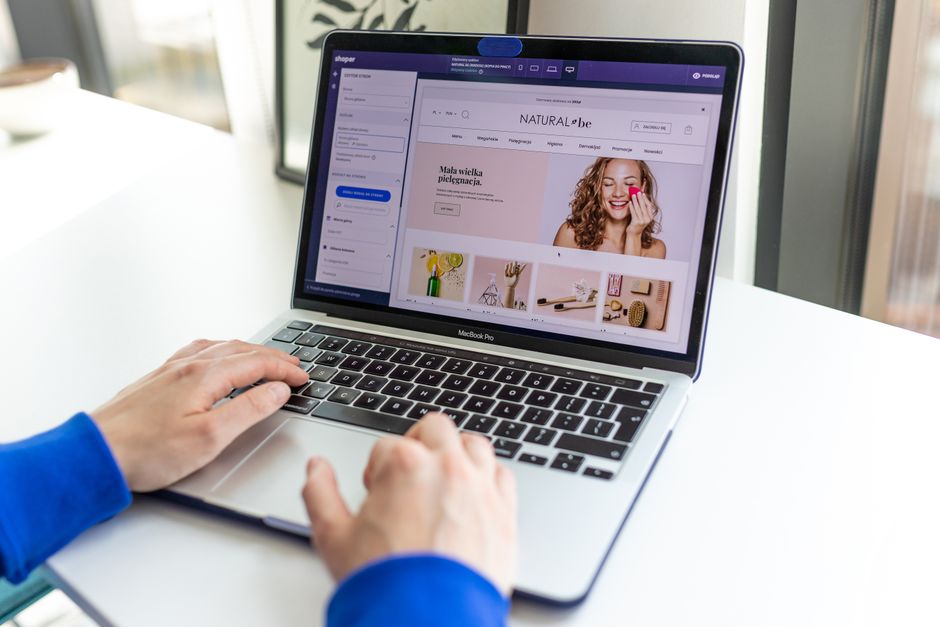
Once you have settled on a niche direction, build your storefront with conversion architecture in mind from the first click. Choose Shopify’s Basic Plan at $39 per month — it includes everything you need to launch: unlimited products, two staff accounts, and full Abandoned Cart Recovery functionality. Upgrading to the Standard Plan at $59 per month adds lower credit card rates, which becomes worthwhile once you are processing more than $1,000 in monthly sales.
Design your storefront around clarity and trust signals. Use a clean, minimal theme from the Shopify Theme Store — Debut, Dawn, or Impulse are well-reviewed free options that load quickly and look professional on mobile. Your logo, a concise tagline, and visible contact information in the header reduce bounce rates among first-time visitors who have never heard of your brand. In the footer, include a privacy policy, terms of service, and a brief “About Us” section that establishes your store’s identity.
Install only the apps that directly support your workflow. For a new dropshipping store, you need a product import tool like DSers or Oberlo, an email marketing app such as Klaviyo or Mailchimp, and a reviews app like Loox or Judge.me. Adding more than five apps at launch slows your admin panel and creates integration conflicts. Revisit your tech stack once you hit your first 100 sales.
Sourcing Products and Reliable Suppliers
Your supplier relationships determine whether your store earns repeat customers or drowns in refund requests. The AliExpress + DSers workflow remains the most accessible entry point for US-based Shopify entrepreneurs, but it requires disciplined vetting before you list any product.
Filter suppliers by rating (minimum 4.5 stars), response time (under 24 hours), and recent order volume. Send a test inquiry to at least three suppliers for each product you plan to carry — note how quickly they reply, whether they answer your specific questions, and if their English is clear enough to avoid costly miscommunications. Once you identify a primary supplier, negotiate a sample order at wholesale cost so you can personally evaluate packaging quality, product weight, and shipping time.
For niches where AliExpress suppliers are inconsistent, explore dedicated US-based wholesale directories or trade platforms like Alibaba’s verified supplier program. Products with fragile components, hazardous materials, or strict import regulations — such as certain electronics or cosmetic formulations — require extra compliance research before you commit inventory or ad spend.
Creating Compelling Product Listings
A product listing is your only salesperson working around the clock. Generic descriptions copied straight from the supplier’s catalog signal low effort and erode trust before the customer reads your price. Rewrite every product title and description from the customer’s perspective: describe the problem your product solves, the outcome the buyer will experience, and two or three specific features that deliver that outcome.
Optimize your listing images by requesting high-resolution photos from your supplier and editing them for consistent lighting and clean backgrounds. Supplement supplier images with lifestyle shots — a magnetic phone mount installed in an actual car dashboard converts far better than a product on a white backdrop. Shopify recommends a minimum of 2,048-pixel images for Retina displays. Add a short video demonstration if your niche allows it; product videos increase average time-on-page and reduce return rates.
Run A/B tests on your product pages systematically. Change one variable at a time: headline, primary image, price point, or CTA button color. Run each variant for at least 100 unique visitors before drawing conclusions. Track your primary metric — conversion rate — and update your listing with the winning variant before moving to the next test.
| Element | Weak Listing | High-Converting Listing |
|---|---|---|
| Title | Wireless Earbuds | Wireless Earbuds with ANC and 30-Hour Battery Life |
| Description | Quality earbuds. Great sound. | Block distractions on your morning commute with active noise cancellation and seamless device switching — all in a pocket-sized charging case that lasts a full week. |
| Images | Supplier stock photo | Lifestyle shots + close-ups + size comparison |
| CTA | Add to Cart | Add to Cart — Free Shipping on Orders Over $35 |
Driving Traffic to Your Store
Organic traffic from SEO is the most cost-effective channel for a new dropshipping store, but it requires patience. Target long-tail keywords specific to your niche — “ergonomic laptop stand for standing desk” instead of “laptop stand.” Create a blog on your Shopify store and publish 800–1,500-word guides that answer real buyer questions. If your niche is outdoor adventure gear, write comparison guides, maintenance tutorials, and packing checklists that naturally incorporate the products you sell.
Social media advertising scales faster than organic content, but it requires a learning budget. Start with a $10–$15 daily Meta Ads budget and run split tests on two or three ad creatives before scaling a winning variant. Target interests and behaviors specific to your niche audience rather than broad categories. A $300 learning phase before any significant spend reduces costly creative mistakes.
Email marketing delivers the highest return on investment of any channel once you have a list. Capture emails with a discount or free shipping offer at checkout. Use Klaviyo or Mailchimp to send a welcome sequence, follow-up abandoned cart emails, and a monthly newsletter with new product arrivals. Segment your list by purchase history to send personalized recommendations that increase average order value.
Managing and Fulfilling Orders
Order management for dropshipping should be as automated as possible from day one. When a customer places an order on your Shopify store, DSers or Oberlo can automatically forward that order to your supplier with a one-click sync, eliminating the manual copy-paste workflow that leads to shipping errors and missed orders.
Set realistic shipping expectations on your product pages and in your checkout confirmation emails. US customers expect delivery within 7–14 business days for AliExpress-sourced products. If your supplier is based in China, factor that timeline into your shipping policy — and do not promise two-day domestic shipping unless you are working with a US-based domestic supplier. Transparency about delivery windows reduces refund requests and negative reviews.
Build a returns policy that protects both you and your customer. A 15–30 day return window with the customer covering return shipping is standard for low-price dropshipping products. For higher-ticket items, negotiate a dropshipper-friendly return policy with your supplier, or factor the cost of occasional returns into your pricing margin. Respond to every customer inquiry within 24 hours — speed of response is the top driver of positive reviews in the Shopify ecosystem.
Scaling Your Dropshipping Business
Reaching $5,000 in monthly revenue is a reasonable first-year milestone for a solo dropshipper with a focused niche and disciplined ad spend. Hitting that mark opens the door to more aggressive scaling strategies that are difficult to execute on a shoestring budget.
Expand your product range by adding complementary items that serve the same customer profile. If you sell hiking water filters, adding lightweight camp cookware, fire-starting tools, or compact first aid kits lets you increase average order value without acquiring new customers. Run a cross-sell prompt at checkout: “Add a compact first aid kit for $14.99 and get 10% off your order.”
Increase your advertising budget only when your winning ad creative achieves a return on ad spend (ROAS) of at least 2x over a 14-day window. Scaling a losing creative multiplies your losses. Once you have consistent winners, gradually increase daily budget in 20% increments and monitor your conversion cost. Simultaneously, invest in search engine optimization and email list growth to reduce your dependence on paid traffic.
Outsource repetitive tasks as revenue permits. Hire a virtual assistant for $5–$15 per hour on Upwork to handle product uploads, customer service emails, and order monitoring. This frees your time for high-leverage activities: analyzing data, testing new ad creatives, and negotiating better supplier terms.
Common Pitfalls and How to Avoid Them
The dropshipping failure rate is high, and most failures trace to a handful of preventable mistakes. Understanding these pitfalls before you encounter them gives you a significant advantage over entrepreneurs who learn by costly trial and error.
Avoid overstocking or pre-purchasing inventory before you have validated product demand with at least 50–100 organic sales. Holding unsold inventory ties up capital and creates storage logistics that defeats the core appeal of the dropshipping model. Stay in the pre-purchase validation phase until your best-selling products demonstrate consistent monthly movement.
Stay compliant with state and federal regulations from launch day. Register your business as an LLC in your state — the cost ranges from $50 to $500 depending on the state. Collect and remit sales tax for states where you have economic nexus (generally, more than $100,000 in revenue or 200 transactions). Use a platform like Avalara or TaxJar to automate nexus tracking and tax calculation. Failure to comply exposes your personal assets to liability and triggers penalties that can close your store.
Monitor consumer trends and algorithm changes continuously. A niche that is wide open today may attract aggressive competitors within six months. Set a monthly review habit: re-check keyword rankings, review your top competitors’ new listings, and survey customer feedback for emerging complaints or desires. A store that adapts early retains its market position; one that rests on early success loses ground steadily.
Frequently Asked Questions (FAQ)
What are the most promising low-competition niches for dropshipping in 2026?
Niches showing strong demand with manageable competition include compact home organization systems for small apartments, specialized pet accessories for urban pet owners, portable outdoor cooking gear, ergonomic tech accessories for remote workers, and eco-friendly personal care tools. Focus on niches where customers self-identify as enthusiasts rather than casual shoppers — engaged hobbyists research products thoroughly and are less price-sensitive, which supports healthier margins.
How much does it cost to launch a Shopify dropshipping store in 2026?
A realistic minimum launch budget is $500–$1,500. This covers your Shopify Basic Plan at $39 per month (billed annually at $468), domain registration at $14 per year, DSers or Oberlo subscription at $19–$49 per month, initial product samples from suppliers at $50–$150, and a starter advertising budget of $200–$500 for your first Meta Ads tests. Your biggest ongoing cost is advertising, so plan to reinvest the majority of early revenue before drawing any profit.
How can I ensure reliable product quality and consistent shipping times?
Order physical samples from every supplier before listing a product on your store. Test the product yourself for at least one week and note any quality issues. For shipping reliability, prioritize suppliers who use ePacket or e-EMS tracking to the US, which typically delivers in 10–20 days with full tracking visibility. Set accurate delivery expectations on your product pages, and always provide customers with their tracking number within 48 hours of order placement.
What metrics should I track to measure my store’s success?
Monitor conversion rate (target: 2–4% for optimized dropshipping stores), average order value (measure against your niche average), customer acquisition cost from your ad spend, and return on ad spend for paid channels. Use Shopify’s built-in analytics dashboard daily in your first month, then shift to weekly reviews once you understand your baseline numbers. Positive trends across all four metrics indicate a healthy scaling trajectory.
Top Product Recommendations
| Product Name | Rating | Key Feature | Est. Price | Action |
|---|---|---|---|---|
| Top-rated compact home organization storage bins | ★★★★★ | Editor-recommended compact home organization storage bins from this guide | $18–$42 | Check Lowest Price on Amazon |
| Best-value portable outdoor camping cookware set | ★★★★☆ | Affordable portable outdoor camping cookware set — strong everyday results | $12–$28 | Check Lowest Price on Amazon |
| Premium ergonomic laptop stand for remote work | ★★★★☆ | Higher-end ergonomic laptop stand for remote work for visible, lasting results | $45–$95 | Check Lowest Price on Amazon |
Affiliate Disclosure: This post contains affiliate links. We may earn a commission if you buy through our links, at no extra cost to you.
Leave a Reply