
Understanding the Basics of Dropshipping
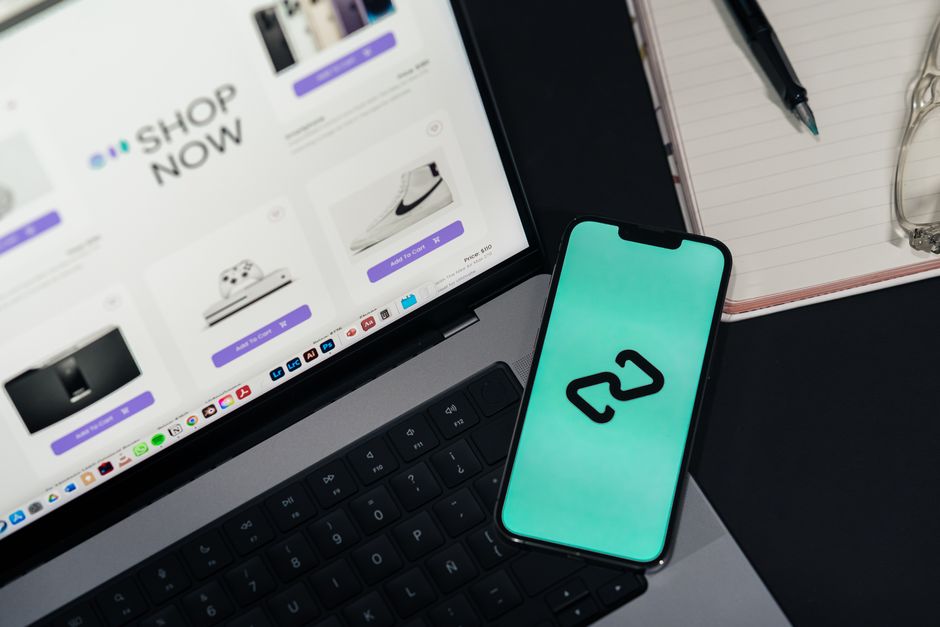
Dropshipping is a retail fulfillment method where you sell products without holding inventory. When a customer places an order, you purchase the item from a third-party supplier who ships it directly to the customer. You never see or handle the product yourself.
The advantages include low startup costs, no inventory management, and location independence. You can run a dropshipping business from anywhere with an internet connection. The disadvantages include lower profit margins (typically 15-30%), less control over product quality, and shipping times that can frustrate customers.
Traditional ecommerce requires buying inventory upfront, which ties up capital and creates storage needs. Dropshipping eliminates these barriers but introduces dependency on supplier reliability. Your brand reputation depends entirely on partners you don’t directly control.
Editor’s pick: product photography lighting kit — compare options and current availability.
Identifying the Best Dropshipping Products for 2026
Successful dropshipping in 2026 requires understanding current market trends. Health and wellness products continue dominating, particularly **sustainable fitness equipment** and **organic personal care items**. Reddit communities like r/dropshipping and r/ecommerce provide real-time insights from active s rs.
Research profitable products by analyzing demand versus competition. Use tools like Google Trends to identify rising search interest. Check Reddit threads for products users actively discuss and recommend. Products with 40-60% profit margins and solving specific problems perform best.
Popular 2026 categories include **eco-friendly home goods**, **pet tech accessories**, **remote work ergonomic equipment**, and **hobby-specific tools**. Avoid oversaturated markets like generic phone cases unless you can differentiate with unique designs. Reddit users consistently warn against trending fad products that disappear within months.
Setting Up Your Dropshipping Business
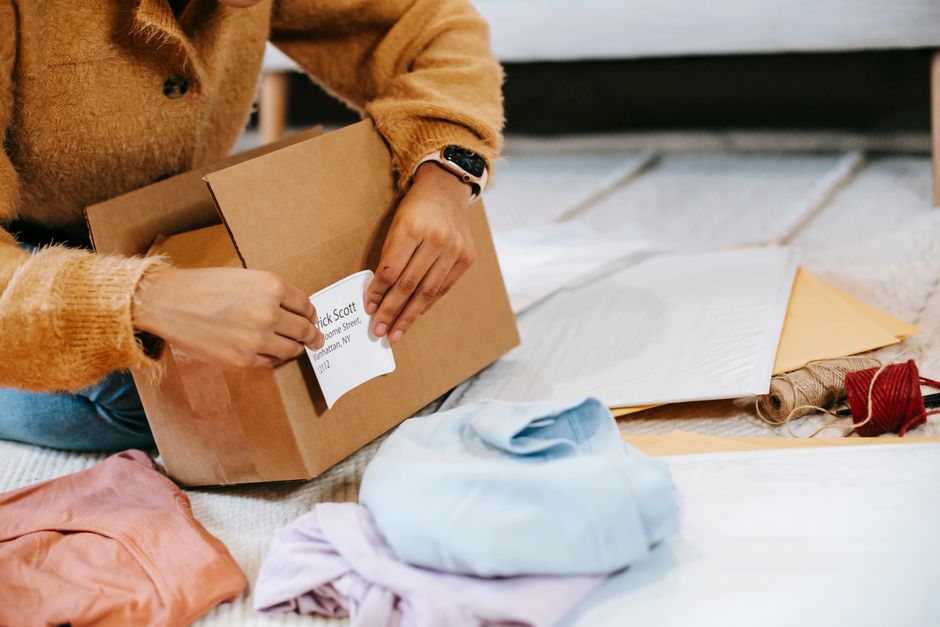
Choose an ecommerce platform that balances ease of use with functionality. **Shopify** remains the most popular choice with extensive dropshipping app integrations. **WooCommerce** offers more customization for WordPress users willing to handle technical setup. Budget $29-79 monthly for platform fees.
Integrate with reliable suppliers through platforms like **AliExpress**, **Spocket**, or **CJ Dropshipping**. Verify supplier ratings, order samples to test quality, and confirm realistic shipping times. US-based suppliers cost more but deliver faster, reducing customer complaints.
Create a professional store with clear product descriptions, high-quality images, and transparent shipping policies. Your store must build trust since customers can’t physically inspect products. Include detailed sizing charts, return policies, and customer service contact information prominently.
Effective Marketing Strategies for Dropshipping
Social media advertising drives most dropshipping traffic. **Facebook Ads** and **Instagram Ads** allow precise targeting based on interests and demographics. Start with $10-20 daily budgets and test multiple ad creatives. Reddit advertising works for niche products when you contribute genuine value to relevant subreddits first.
SEO takes 3-6 months to generate organic traffic but costs nothing beyond time. Write blog content answering customer questions about your product category. Optimize product pages with descriptive titles and meta descriptions. Build backlinks through guest posting and product reviews.
Email marketing converts 20-30% better than social media for returning customers. Collect emails through exit-intent popups offering 10% discounts. Send abandoned cart reminders within 24 hours and weekly newsletters featuring new products. Segment your list based on purchase history for personalized recommendations.
Managing Your Dropshipping Operations
Day-to-day operations involve processing orders, monitoring inventory levels, and responding to customer inquiries. Set up automated order fulfillment through your platform’s supplier integration. Check supplier stock daily to avoid selling unavailable products.
Maintain strong supplier relationships by communicating clearly and paying invoices promptly. Request priority processing during high-volume periods. Establish backup suppliers for your top-selling products to prevent stockouts.
Handle customer service professionally and quickly. Respond to inquiries within 12 hours maximum. Process returns according to your stated policy, even when inconvenient. One negative review costs more than the refund amount. Track common complaints to identify product quality issues early.
Optimizing Your Dropshipping Business for Profitability
Conversion rate optimization focuses on removing friction from the buying process. Add trust badges, customer reviews, and clear CTAs on product pages. A/B test checkout flows to reduce cart abandonment. Typical dropshipping conversion rates range from 1-3%.
Increase average order value through product bundling and upsells. Offer “frequently bought together” suggestions at checkout. Implement tiered free shipping thresholds that encourage larger orders. A customer spending $75 instead of $50 dramatically improves unit economics.
Reduce shipping costs by negotiating volume discounts with suppliers after proving consistent order volume. Choose suppliers with warehouses closer to your primary customer base. Shipping delays are the top complaint in dropshipping—faster delivery justifies slightly higher product prices.
Common Pitfalls and How to Avoid Them
Scam suppliers promise impossibly low prices and steal payment without shipping products. Verify legitimacy through independent reviews, not testimonials on supplier websites. Order samples before committing to any supplier relationship. Reddit’s r/dropshipping maintains updated supplier blacklists.
Product quality varies wildly between suppliers for identical-looking items. Some dropshippers receive customer complaints about products breaking immediately or looking nothing like photos. Always order samples and consider offering money-back guarantees to build customer confidence.
Inventory issues occur when suppliers run out of stock but their systems don’t update in real-time. This results in selling products you can’t fulfill, leading to refunds and angry customers. Sync inventory daily and pause ads for low-stock items. Some s rs maintain relationships with 2-3 suppliers per product as backup.
Scaling and Growing Your Dropshipping Business
Expand your product range gradually after validating your initial offerings. Add complementary products that appeal to your existing customer base. A store selling yoga mats naturally expands into yoga blocks and straps. Avoid random unrelated products that confuse your brand identity.
Enter new markets by testing international shipping to English-speaking countries first (Canada, UK, Australia). Adjust pricing for local currencies and customs expectations. International expansion increases complexity but can double your addressable market.
Diversify income streams by creating your own branded products once you understand what sells. Partner with manufacturers to produce exclusive items with higher margins. Some successful dropshippers transition into hybrid models, dropshipping some items while stocking bests rs themselves for better control.
Frequently Asked Questions
What are the typical start-up costs for a dropshipping business?
A: Expect $500-1500 to start properly. This includes $29-79 monthly for your ecommerce platform, $100-300 for initial product samples, $200-500 for your first marketing campaigns, and $50-100 for a custom domain and basic branding. You can technically start cheaper but risk looking unprofessional. Budget $300-500 monthly for ongoing operations before reaching profitability.
How long does it take to see a profit from a dropshipping business?
A: Most dropshippers take 3-6 months to reach consistent profitability. The first month focuses on setup and testing. Months 2-4 involve finding winning products and optimizing ad campaigns. Expect to reinvest early profits into inventory and marketing. Realistic first-year profit for part-time effort is $500-2000 monthly after expenses. Full-time operators with experience can reach $5000-10000 monthly within 12-18 months.
Can I run a successful dropshipping business while having a full-time job?
A: Yes, but expect to dedicate 10-15 hours weekly. Automate order fulfillment through platform integrations and schedule social media posts in advance. Handle customer service during lunch breaks or evenings. Weekends focus on product research and marketing optimization. Many successful dropshippers start part-time and transition to full-time once monthly profit exceeds their salary. The first 90 days require more intensive time commitment during setup and testing phases.
Top Product Recommendations
| Product Name | Rating | Key Feature | Est. Price | Action |
|---|---|---|---|---|
| Top-rated product photography lighting kit | ★★★★★ | Editor-recommended product photography lighting kit from this guide | $18–$42 | Check Lowest Price on Amazon |
| Best-value shipping label printer | ★★★★☆ | Affordable shipping label printer — strong everyday results | $12–$28 | Check Lowest Price on Amazon |
| Premium small business accounting software | ★★★★☆ | Higher-end small business accounting software for visible, lasting results | $45–$95 | Check Lowest Price on Amazon |
Affiliate Disclosure: This post contains affiliate links. We may earn a commission if you buy through our links, at no extra cost to you.
Leave a Reply