
Understanding Dropshipping Fundamentals
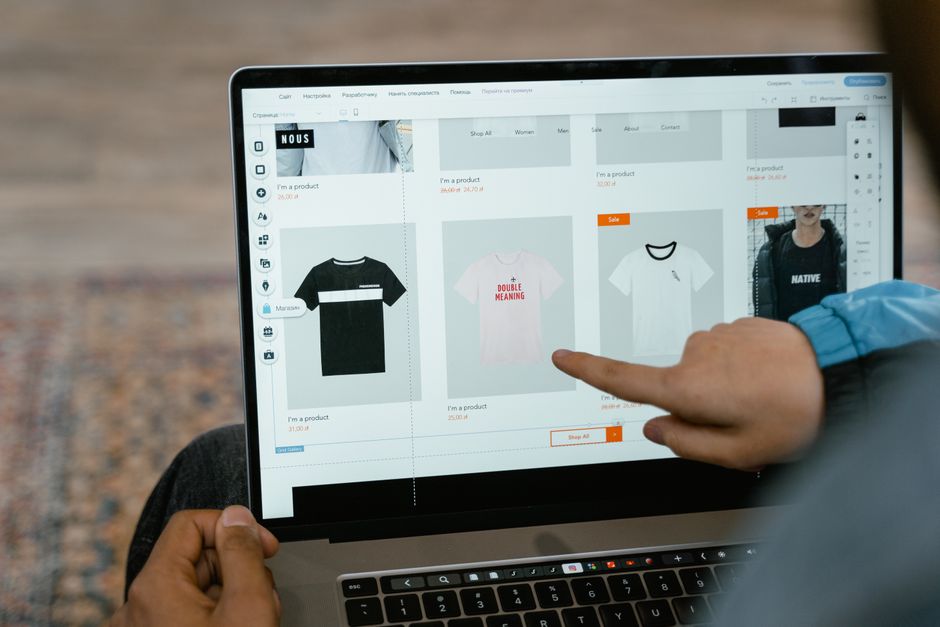
Dropshipping is a retail fulfillment model where you sell products without holding inventory. When a customer places an order, you purchase the item from a third-party supplier who ships it directly to the buyer. You never see or handle the product yourself.
This business model offers several advantages for entrepreneurs with limited capital. You avoid upfront inventory costs, warehouse expenses, and the risk of unsold stock. You can test multiple product categories quickly without financial commitment. The barrier to entry is lower than traditional retail, making it accessible for beginners.
The key difference from conventional ecommerce is inventory ownership. Traditional online stores buy products in bulk, store them, and handle shipping themselves. Dropshippers act as intermediaries, focusing on marketing and customer service while suppliers manage logistics. This shifts risk but also reduces profit margins, typically ranging from 15-30% compared to 40-50% for inventory-based models.
Editor’s pick: home organization storage solutions — compare options and current availability.
Selecting the Best Dropshipping Products for 2026
Profitable dropshipping products share common characteristics: solve specific problems, appeal to passionate niche audiences, and maintain healthy margins above $15 per unit. According to marketplace analysis, evergreen categories like **home organization**, **pet accessories**, and **fitness equipment** consistently outperform trendy items.
Conducting market research starts with Reddit communities, Google Trends data, and competitor analysis. Search subreddits like r/ecommerce and r/dropshipping for real-time feedback on what’s working. Look for products with steady search volume over 12+ months rather than viral spikes. Amazon bests r lists reveal proven demand, while AliExpress trending pages show supplier availability.
Avoid three critical traps that kill dropshipping businesses. **Low-margin products** under $20 leave no room for advertising costs after platform fees. **Seasonal items** like holiday decorations create revenue rollercoasters with months of zero sales. **Fragile or complex products** generate excessive returns and negative reviews that destroy your reputation before you gain traction.
Setting Up Your Dropshipping Business
Choosing the right ecommerce platform determines your operational efficiency and growth potential. **Shopify** dominates with dropshipping-specific apps and integrations, costing $39-$399 monthly. **WooCommerce** offers more control and lower costs for WordPress users comfortable with technical setup. **BigCommerce** provides enterprise features without transaction fees, suitable for scaling beyond $50,000 monthly revenue.
Finding reliable suppliers requires vetting beyond the first page of search results. Start with established directories like **Spocket** for US-based suppliers or **CJDropshipping** for faster Asian shipping. Request product samples before listing items—quality varies dramatically between suppliers. Check average processing times, return policies, and communication responsiveness through test orders.
Your online storefront must convey professionalism to overcome buyer skepticism. Invest in a clean, mobile-responsive theme with high-quality product photography. Write detailed descriptions addressing common objections and questions. Include trust signals like money-back guarantees, secure payment badges, and transparent shipping timelines. A generic template store signals amateur operation and tanks conversion rates.
Managing Your Dropshipping Inventory
Synchronizing product listings prevents the nightmare of selling out-of-stock items. Use automation tools like **Oberlo**, **DSers**, or **AutoDS** to update inventory levels every 24 hours. These platforms monitor supplier stock and pause listings when products become unavailable. Manual checking is unsustainable beyond 20-30 SKUs.
Handling out-of-stock situations requires proactive customer communication and backup suppliers. Set up email templates notifying customers within 24 hours when items are backordered, offering alternatives or refunds. Maintain relationships with 2-3 suppliers per product category to quickly pivot when primary sources fail. This redundancy costs nothing until you need it.
Ensuring product quality starts before your first sale. Order samples of every product you list—never dropship blind. Compare actual items against supplier photos and descriptions. Test durability, packaging quality, and shipping condition. One batch of defective products can generate chargebacks and platform penalties that erase months of profit. **Quality control is your competitive moat** in a low-barrier industry.
Fulfilling Orders and Shipping Products
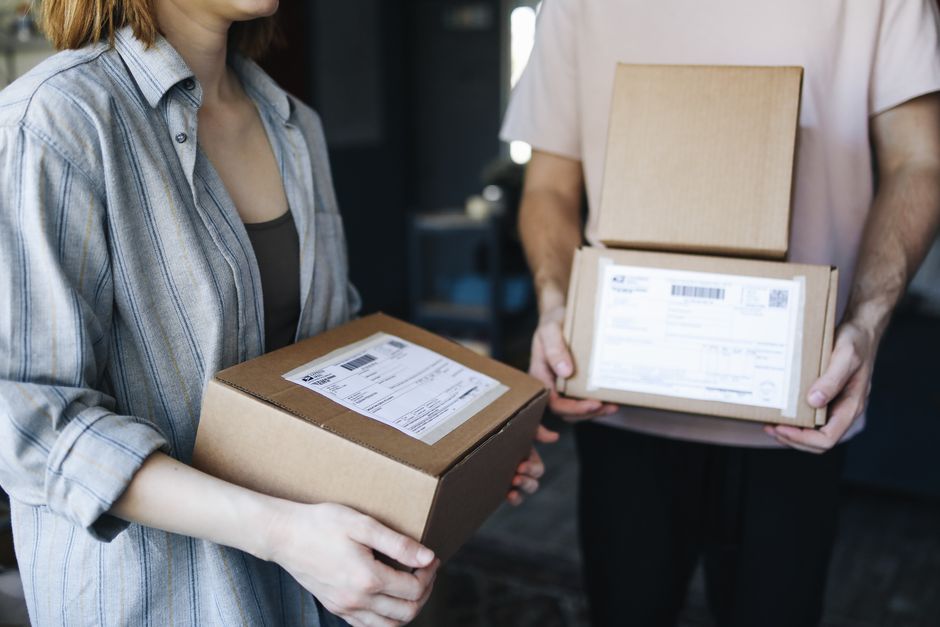
The dropshipping order fulfillment process follows a standard workflow: customer orders → you forward to supplier → supplier ships → you provide tracking. Automation handles this through platform integrations, but **manual verification** of order details prevents costly mistakes. Check shipping addresses, product variants, and special instructions before submitting to suppliers.
Managing shipping times requires setting realistic expectations upfront. US suppliers typically deliver in 5-10 business days, while international shipments take 15-30 days. Display estimated delivery ranges prominently on product pages and checkout. Customers tolerate longer waits when informed but punish surprises with negative reviews and disputes. Consider offering **express shipping tiers** for 30-40% of customers willing to pay premium rates.
Dealing with returns and complaints tests your customer service systems. Establish clear return policies matching or exceeding your suppliers’ terms. Process refunds within 48 hours for order errors or defects—arguing costs more in reputation damage than refund amounts. For damaged items, request photo evidence before authorizing returns. Most suppliers cover defective products if reported within 7-14 days.
Marketing Your Dropshipping Business
Developing a strong brand identity separates sustainable businesses from one-hit wonders. Define your target customer’s demographics, pain points, and values. Create a memorable brand name, logo, and color scheme that resonates with this audience. Your **unique selling proposition** should articulate why customers should buy from you instead of Amazon or competitors—faster shipping, better support, or curated selection.
Implementing effective marketing strategies requires balancing paid and organic channels. **Facebook and Instagram ads** deliver fastest results but demand $500-1,000 monthly testing budgets. Target specific interests and lookalike audiences rather than broad demographics. **SEO content marketing** builds sustainable traffic through blog posts and product guides but takes 6-12 months to gain traction. **Email marketing** converts at 3-5x higher rates than cold traffic—capture emails through discounts and lead magnets.
Building customer loyalty transforms one-time buyers into repeat revenue streams. Follow up post-purchase with satisfaction surveys and product usage tips. Implement a loyalty program offering discounts or free shipping after 2-3 orders. Request reviews through automated email sequences—social proof drives 20-30% of conversion decisions. Repeat customers have **40% higher average order values** than first-time buyers.
Scaling and Growing Your Dropshipping Business
Expanding your product range strategically prevents inventory bloat and unfocused marketing. Add complementary items that existing customers naturally want next—phone cases after selling phones, leashes after selling dog collars. Test new products in small batches of 3-5 SKUs before committing to full categories. Track metrics by product: conversion rate, return rate, and profit margin to identify winners worth scaling.
Increasing sales through upselling and cross-selling leverages existing traffic efficiently. Display **frequently bought together** bundles on product pages. Offer tiered pricing—good/better/best options that anchor higher prices. Use post-purchase upsells presenting complementary items at checkout completion. These tactics increase average order value 15-25% without additional marketing costs.
Optimizing conversion rates compounds every improvement across all traffic sources. A/B test product page elements: headlines, images, button colors, and trust badges. Analyze cart abandonment reasons through exit surveys—often unexpected shipping costs or complicated checkout. Implement abandoned cart email sequences recovering 10-15% of lost sales. **Every 1% conversion improvement** multiplies your effective advertising budget.
Avoiding Common Dropshipping Mistakes and Pitfalls
Identifying potential legal issues protects your business from catastrophic liability. Understand **consumer protection laws** requiring accurate product descriptions and honored refunds. Never dropship counterfeit items or trademark-infringing products—platforms ban s rs permanently. Register your business properly and maintain separation between personal and business finances. Consult a business attorney for terms of service and privacy policies.
Managing customer expectations prevents most disputes before they escalate. Communicate proactively about order status at key milestones: order confirmation, shipment, and delivery. Respond to inquiries within 24 hours—silence breeds chargebacks. When problems occur, offer solutions immediately rather than defending policies. **Empowered customers become advocates**; frustrated customers leave devastating reviews.
Ensuring consistent supplier reliability requires ongoing monitoring and backup plans. Track key metrics: average processing time, defect rate, and communication speed. When suppliers slip below standards, address issues directly or replace them. Diversify across multiple suppliers to avoid single points of failure. Many successful dropshippers eventually transition to **hybrid models**, holding fast-moving inventory while dropshipping slower items.
Comparison of Top Dropshipping Platforms
| Platform | Monthly Cost | Best For | Key Features |
|---|---|---|---|
| Shopify | $39-399 | Beginners to advanced | Massive app ecosystem, easy setup, 24/7 support |
| WooCommerce | $10-50 | WordPress users | Full customization, lower fees, requires technical skills |
| BigCommerce | $39-399 | Scaling businesses | No transaction fees, built-in features, enterprise tools |
Frequently Asked Questions
What are the most profitable dropshipping products for 2026?
The most profitable products solve specific problems with healthy margins above $15 per unit. According to Reddit discussions and market data, **home organization solutions**, **ergonomic office accessories**, **pet wellness products**, and **sustainable lifestyle items** show strong demand. Focus on evergreen categories rather than viral trends. Products with passionate niche audiences convert better than mass-market items competing against Amazon. Test multiple products within your chosen niche to identify winners based on actual conversion data, not speculation.
How can I ensure a steady supply of quality products for my dropshipping business?
Maintain relationships with 2-3 suppliers per product category to prevent stockouts. Order samples before listing any product—never trust supplier photos alone. Use automation tools to sync inventory levels daily and pause out-of-stock listings automatically. Communicate regularly with suppliers about upcoming promotions or seasonal demand spikes. Monitor supplier performance metrics: processing time, defect rates, and response speed. Replace underperforming suppliers proactively before they damage your reputation. Consider transitioning high-volume products to direct inventory as your business scales.
What are the best practices for managing and fulfilling dropshipping orders?
Automate order forwarding through platform integrations but manually verify details for high-value orders. Set realistic shipping expectations on product pages—customers tolerate delays when informed upfront. Provide tracking numbers within 48 hours of order placement. Monitor order status and communicate proactively about any delays or issues. Process refunds quickly for legitimate complaints—arguing costs more than refund amounts. Build 24-48 hour buffer time into your fulfillment workflow to catch supplier errors before they reach customers. Track fulfillment metrics to identify patterns requiring supplier conversations or replacements.
Top Product Recommendations
| Product Name | Rating | Key Feature | Est. Price | Action |
|---|---|---|---|---|
| Top-rated home organization storage solutions | ★★★★★ | Editor-recommended home organization storage solutions from this guide | $18–$42 | Check Lowest Price on Amazon |
| Best-value ergonomic office desk accessories | ★★★★☆ | Affordable ergonomic office desk accessories — strong everyday results | $12–$28 | Check Lowest Price on Amazon |
| Premium pet wellness supplements accessories | ★★★★☆ | Higher-end pet wellness supplements accessories for visible, lasting results | $45–$95 | Check Lowest Price on Amazon |
Affiliate Disclosure: This post contains affiliate links. We may earn a commission if you buy through our links, at no extra cost to you.
Leave a Reply