
Why Low-Competition Niches Matter More Than Ever in 2026

The dropshipping landscape has shifted dramatically. Crowded markets that worked five years ago now leave new s rs with razor-thin margins and near-zero visibility. If you are researching **Shopify dropshipping niche ideas for low competition** right now, you are asking the right question at the right time. Low-competition niches let you rank faster, convert better, and build a recognizable brand before the big players notice your category. This playbook walks you through every step: finding your niche, setting up your store, sourcing products, marketing smartly, and scaling responsibly.
Quick pick: Compare top-rated Dropshipping options.
Finding Low-Competition Niches on Shopify That Actually Convert
Identifying a profitable niche is the single most consequential decision you will make. A great niche sits at the intersection of real consumer demand and manageable competition.
- **Validate demand with Google Trends.** Look for steady or rising search interest over 12 or more months. Spikes that disappear quickly signal trends, not durable niches worth building around.
- **Check keyword difficulty honestly.** Tools like Ahrefs and SEMrush give you competition scores. Target long-tail keywords with difficulty below 30 for faster initial ranking in Google search results.
- **Look for underserved subcategories.** Instead of “pet supplies,” explore “collapsible silicone pet bowls for travel.” Specificity reduces competition dramatically and makes your marketing more precise.
- **Assess audience passion.** Niches tied to hobbies, health concerns, or lifestyle identities generate repeat buyers. Passive interest converts less reliably than personal investment.
**Golden rule:** If a niche has zero competition, there is usually a reason — usually no demand. You want low competition, not zero competition.
For more guidance on getting started with this approach, browse our dropshipping category for structured resources and step-by-step workflows.
Setting Up Your Shopify Store for Dropshipping Success
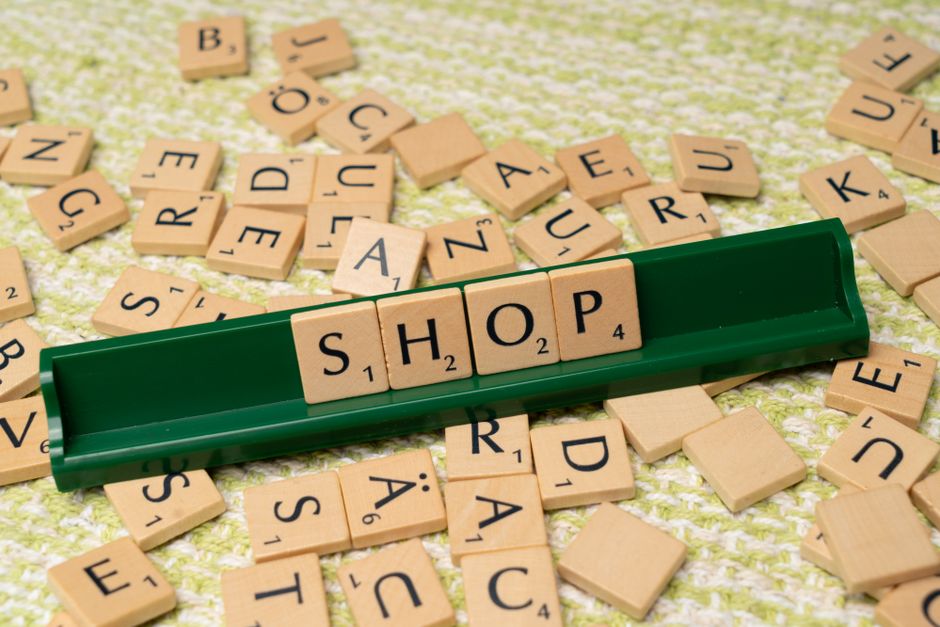
Your store is your storefront, your salesperson, and your brand identity. First impressions happen in under five seconds.
- **Choose a clean, memorable domain.** Include a relevant keyword if it fits naturally, but prioritize brandability. Avoid hyphens and numbers — they hurt credibility and make the URL harder to share.
- **Use a fast, mobile-responsive theme.** Over 60% of US shoppers browse on mobile devices. A lagging site kills conversions before customers read a single product description.
- **Install only high-need apps at launch.** Start with an order automation tool, a reviews app, and an analytics dashboard. Too many apps slow performance and inflate monthly costs unnecessarily.
- **Set up essential legal pages.** Privacy policy, terms of service, and refund policy are not optional — they protect you legally and build customer trust.
| Element | Minimum Standard | Recommended Standard |
|---|---|---|
| Page load speed | Under 3 seconds | Under 1.5 seconds |
| Mobile responsiveness | Fully functional | Optimized layout and touch targets |
| Trust signals | Legal pages | Reviews plus SSL and security badges |
| Product images | 3 per product | 5 or more with lifestyle context shots |
Sourcing Reliable Suppliers Without Getting Burned
Your supplier is the backbone of your operation. A great supplier makes you look professional; a bad one destroys customer trust overnight.
- **Start with US-based or near-shore suppliers** for faster shipping windows. Customers increasingly abandon carts when delivery estimates exceed 10 days.
- **Use AliExpress with a disciplined filter system.** Prioritize suppliers with 4.6-plus ratings and 1,000-plus orders completed. Message at least five before committing to any single supplier.
- **Order sample products yourself before listing.** Never list a product you have not held in your hands. Quality surprises destroy reviews and increase return rates dramatically.
- **Negotiate clear terms in writing.** Define processing times, packaging standards, and defect-handling procedures before you drive traffic to your store.
- **Have a backup supplier ready.** Relying on a single supplier creates a single point of failure across your entire product catalog.
Writing Product Listings That Actually Sell
Generic product descriptions are the silent killer of conversion rates. In a low-competition niche, your copy is often the deciding factor between a sale and a bounce.
- **Lead with the problem, not the product.** Customers buy solutions. Describe the specific frustration your product eliminates before mentioning features or specifications.
- **Use specific, benefit-driven headlines.** Instead of “LED Desk Lamp,” write “Dimmable LED Desk Lamp with Eye-Care Mode for Late-Night Remote Workers.”
- **Add a comparison table** to help buyers understand exactly why your product outperforms alternatives on the market.
- **Include genuine micro-copy.** Phrases like “fits perfectly in carry-on bags” or “assembles in under two minutes” are more persuasive than a spec sheet alone.
- **Optimize images for web speed.** High-resolution images that load slowly will tank your Google PageSpeed score and your conversion rate simultaneously.
Marketing Your Low-Competition Dropshipping Store
In a low-competition niche, organic search and social media give you compounding advantages that paid ads alone cannot replicate over time.
- **Build an SEO foundation before spending heavily on ads.** Publish 8–12 informational blog posts targeting related long-tail keywords. These pages capture traffic while your product pages gradually rank.
- **Focus on one social platform first.** If your niche skews toward professionals, start with LinkedIn or Pinterest. If it is lifestyle-driven, Instagram or TikTok works better. Spreading yourself across all platforms dilutes your early momentum and wastes content budget.
- **Develop an email capture strategy from day one.** Offer a small discount or a free guide in exchange for sign-ups. Email consistently delivers the highest return on investment for dropshipping stores across nearly every niche.
- **Retarget website visitors strategically.** Most first-time visitors do not buy on their first visit. A well-configured retargeting pixel keeps your products in front of interested shoppers without proportionally increasing your ad spend.
Managing Orders, Inventory, and Customer Expectations
Dropshipping removes inventory risk, but it introduces operational complexity you must manage actively rather than passively.
- **Set realistic shipping estimates and communicate them clearly at every touchpoint.** Late deliveries are the number one source of negative reviews in dropshipping. Under-promise and over-deliver whenever possible.
- **Monitor order status proactively.** Do not wait for customer complaints to surface. Use fulfillment tracking tools to flag delayed orders and reach out before the customer asks.
- **Establish a dispute resolution process.** Know your supplier’s replacement and refund policies in advance. Delayed responses to customer issues spike chargebacks and can put your merchant account at risk.
- **Track your refund rate by individual product.** Products with refund rates above 5% signal quality or description problems that need immediate attention and correction.
Analyzing Store Performance and Making Data-Driven Decisions
Guessing what works costs you time and money. A consistent analytics habit separates profitable stores from expensive ongoing experiments.
- **Track these core KPIs weekly:** conversion rate, average order value, customer acquisition cost, refund rate, and email list growth rate. These five numbers tell you whether your store is healthy.
- **Use Google Analytics 4 and Shopify’s built-in reports together.** Cross-reference traffic sources with conversion rates to identify which channels deliver actual revenue versus vanity traffic.
- **A/B test one element at a time.** Change headlines first, then images, then CTA buttons. Testing multiple variables simultaneously makes it impossible to attribute results accurately.
- **Review your worst-performing products monthly.** Low-traffic, zero-conversion products waste server resources and dilute your catalog’s focus and brand coherence.
Scaling Your Dropshipping Business Responsibly
Reaching your first profitable month is a genuine achievement. Scaling sustainably requires different skills than getting started, and the risks change as your revenue grows.
- **Double down on winning products.** Once a product generates consistent daily orders, invest in dedicated ad campaigns and expanded listings rather than chasing new products to test.
- **Expand horizontally into adjacent subcategories.** If you sell camping water filters, consider portable camping cookware. You already have the audience trust and the traffic infrastructure — use it.
- **Automate progressively.** Add order tracking automation, customer service templates, and reporting dashboards before hiring help. Premature hiring burns cash and creates management overhead you are not ready for.
- **Consider a hybrid model for proven winners.** Ordering bulk inventory for your top three products eliminates supplier delays and reduces per-unit costs without the full risk of full warehouse management.
- **Protect your margins as you scale.** Advertising costs rise with competition naturally. Sustainable scaling means growing net revenue faster than overhead.
Frequently Asked Questions (FAQ)
What are the most common mistakes beginners make in dropshipping?
The biggest pitfalls are skipping proper market research, picking oversaturated niches, and ignoring basic store optimization. New s rs often chase trending products without checking competition levels honestly, then discover they cannot rank or advertise profitably. Equally damaging is listing products with blurry images, vague descriptions, or missing trust signals. A professional-looking store combined with a validated niche prevents most early-stage failures before they happen.
How long does it take to see meaningful profits from a Shopify dropshipping store?
Most realistic dropshippers see their first consistent sales within 30 to 60 days of launching with solid marketing in place. Meaningful net profit — after accounting for ad spend, app costs, and transaction fees — typically arrives between 3 and 6 months. Speed depends heavily on niche selection quality, marketing execution, and how quickly you iterate based on what the data tells you each week.
What are the best low-competition niche ideas to explore in 2026?
Strong low-competition niches generally fall into three patterns: highly specific hobby gear, products addressing emerging health and wellness concerns, and lifestyle accessories tied to a distinct demographic or profession. Examples include ergonomic tools for remote workers, sustainable home organization systems, and specialized outdoor gear for underserved recreational activities. Use Google Trends and keyword difficulty tools to validate any niche before committing your time and budget.
How can I reduce shipping delays and customer complaints in dropshipping?
Choose suppliers located in the US or Mexico for domestic orders, and always display realistic estimated delivery windows at checkout — not optimistic ones. Proactively send tracking updates to customers at every status change. For products with longer AliExpress shipping times, consider sourcing from US-based agents or third-party logistics providers who stock inventory locally. Transparency about realistic shipping timelines consistently reduces refund requests and improves your store’s review profile.
Top Product Recommendations
| Product Name | Rating | Key Feature | Est. Price | Action |
|---|---|---|---|---|
| Top-rated collapsible silicone pet bowls | ★★★★★ | Editor-recommended collapsible silicone pet bowls from this guide | $18–$42 | Check Lowest Price on Amazon |
| Best-value dimmable led desk lamp eye care | ★★★★☆ | Affordable dimmable led desk lamp eye care — strong everyday results | $12–$28 | Check Lowest Price on Amazon |
| Premium camping water filter portable | ★★★★☆ | Higher-end camping water filter portable for visible, lasting results | $45–$95 | Check Lowest Price on Amazon |
Affiliate Disclosure: This post contains affiliate links. We may earn a commission if you buy through our links, at no extra cost to you.
Leave a Reply