Print on Demand Business Ideas: Etsy & Amazon 2026

{## What Print on Demand Actually Looks Like in 2026

The **print on demand business ideas** landscape on Etsy and Amazon has matured significantly — and that’s both good and challenging news for new s rs. The barrier to entry remains low, but standing out requires sharper research, stronger design work, and a realistic plan for the first six to twelve months. This playbook walks you through every stage, from trend research to scaling, without the hype.

Print on demand (POD) means you upload a design, list a product, and a third-party supplier prints and ships only when a customer orders. You never touch inventory, but you absorb lower margins per unit compared to bulk manufacturing. Understanding that trade-off from day one sets realistic expectations — and keeps you from making the pricing mistakes most beginners regret.

Market Research: Finding Niches That Actually Sell

Before you design a single graphic, spend at least two weeks studying what’s already selling. On Etsy, use the search bar with relevant terms and note how many results appear alongside estimated monthly sales data from third-party analytics tools. On Amazon, the Best S rs and Movers & Shakers pages reveal category momentum in real time.

**Top POD categories trending into 2026:**

  • Personalized gifts (pet portraits, name-based items, family prints)
  • Hobby-specific apparel (hiking, pickleball, fishing, gardening)
  • Occupational designs (nurses, teachers, first responders)
  • Seasonal and holiday bundles
  • Minimalist home décor prints

Demographic targeting matters as much as product category. A design aimed at dog-owning millennial women behaves very differently in search and conversion than one aimed at retired veterans. The more specific your niche, the less direct competition you face — and the higher your conversion rate tends to be. If you’re still exploring which direction fits your strengths, browsing online business income ideas can surface adjacent angles worth considering before you commit.

Editor’s pick: print on demand wall art prints — see current prices and reviews.

Compare print on demand wall art prints on Amazon

Product Selection: Choosing the Right Items to List

Not every POD product performs equally across Etsy and Amazon. T-shirts and mugs are oversaturated; tumblers, hoodies, tote bags, and wall art are showing stronger growth curves heading into 2026. Picking products with higher average order values also improves your margin efficiency.

When selecting products, evaluate three factors simultaneously:

1. **Print area and design compatibility** — Does the product showcase your design style well?

2. **Supplier base cost vs. platform fees** — Can you price competitively and still profit after Etsy’s 6.5% transaction fee or Amazon’s 8–15% referral fee?

3. **Return rate risk** — Apparel carries higher return rates than hard goods like prints or ceramics.

Start with three to five SKUs rather than fifty. Focused listings let you test what resonates before committing design time to a broad catalog.

Setting Up Your Storefront on Etsy and Amazon

The technical side of launching a POD store takes two to four days on either platform, but optimization is an ongoing process that runs for weeks. For Etsy, connect your store to a POD supplier like Printful or Printify through their native integrations. For Amazon, you’ll use Merch on Demand — which is invite-only with a tiered slot system — or Amazon Handmade.

**Storefront essentials checklist:**

  • Professional banner and shop logo that match your niche aesthetic
  • Keyword-rich shop bio that includes your niche and location naturally
  • Complete policies section covering production times and returns
  • At least 10–15 listings at launch to signal an active store
  • Lifestyle-style mockup photos, not generic white-background renders

Listing titles on Etsy should lead with the primary search phrase, not your brand name. On Amazon Merch, bullet points carry significant SEO weight — use all five and include natural long-tail phrases your target buyer would actually type.

Marketing Strategies That Move the Needle

Organic search is the foundation, but it takes time to build momentum. While your listings gain traction, Pinterest and TikTok offer the highest ROI among free channels for POD s rs. Pinterest has a long content shelf life — a pin from six months ago can still drive traffic today. TikTok’s short-form format is particularly effective for showing the design process or unboxing the finished product.

**Paid advertising options worth testing:**

  • **Etsy Ads** — Start at $1–3/day per listing; pause underperformers at 30 days
  • **Amazon Sponsored Products** — Higher cost-per-click, but larger audience reach
  • **Meta/Instagram retargeting** — Most effective once you have existing site traffic data

Email marketing applies once you’ve built a customer base. Platforms that connect with Etsy through your own site let you promote seasonal collections, new designs, and limited runs to past buyers. That repeat-buyer acquisition cost is far lower than chasing cold traffic.

Fulfillment: Choosing the Right POD Supplier

Your POD supplier is your silent business partner. Their print quality, shipping times, and reliability directly affect your reviews and repeat business. The three most widely used US-based suppliers are Printful, Printify, and Gooten, each with different cost structures and product catalogs.

Supplier Base Cost Level US Production Etsy Integration Amazon Integration
Printful Higher Yes Native Yes
Printify Lower (network) Yes (varies) Native Limited
Gooten Mid-range Yes Via API Yes

Printful charges more per unit but offers consistent quality and branding options like custom packing slips. Printify’s network model delivers lower base costs, but print quality varies by partner facility. Order samples from every supplier before publishing listings — never go live with a product you haven’t physically reviewed.

Customer Service: Protecting Your S r Ratings

On both Etsy and Amazon, s r ratings directly affect search visibility. A single wave of poor reviews from a fulfillment issue can suppress listings for weeks. Proactive communication is less costly than recovery.

**Best practices for POD customer service:**

  • Set accurate production time expectations inside every listing description, not just your shop policies
  • Respond to all messages within 24 hours, including weekends
  • For damaged or misprinted orders, offer a replacement before the customer requests one — suppliers typically cover these at no cost to you
  • Follow up after delivery with a brief thank-you message and a soft review request (Etsy permits this; Amazon has stricter solicitation rules — verify current guidelines before sending)

Returns in POD are complicated because the item was custom-made. Most suppliers won’t accept returns for buyer’s remorse on personalized orders. Your policy should reflect that clearly upfront to reduce disputes before they escalate.

Common Pitfalls That Stall Growth

Most POD s rs who quit within six months share a few identifiable patterns. Recognizing them early is cheaper than learning them through a failed store.

  • **Launching too broadly** — Listing 40 unrelated designs across five niches dilutes your store’s search relevance and confuses the algorithm
  • **Ignoring platform fee math** — Pricing based on gut feel rather than a margin spreadsheet leads to selling at a loss once ad spend is factored in
  • **Skipping supplier samples** — A product that looks sharp in the mockup generator can arrive with color shifts, misaligned prints, or thin fabric — all of which generate negative reviews
  • **Treating SEO as a one-time task** — Titles, tags, and descriptions need periodic review as search trends shift, particularly around seasonal and trending terms

These aren’t edge cases. They’re the most common reasons a technically sound store produces no revenue in its first quarter.

Scaling Beyond Your First 100 Sales

Once you hit consistent sales in your first niche, scaling is about systems — not just more listings. Adding 50 new designs without understanding what drives your top 10 s rs is a common mistake that dilutes focus and wastes design hours.

**Scaling levers to pull, in order:**

1. **Deepen your winning niche first** — If dog-mom tumblers sell, add dog-mom hoodies, tote bags, and wall prints before pivoting to something new

2. **Expand to a second platform** — If Etsy is working, test the same designs on Amazon Merch or your own Shopify storefront

3. **Invest in better design assets** — As revenue grows, budget for licensed font bundles, vector subscriptions, or freelance design support

4. **Automate listing workflows** — Bulk listing tools and third-party automation apps save significant hours per week at scale

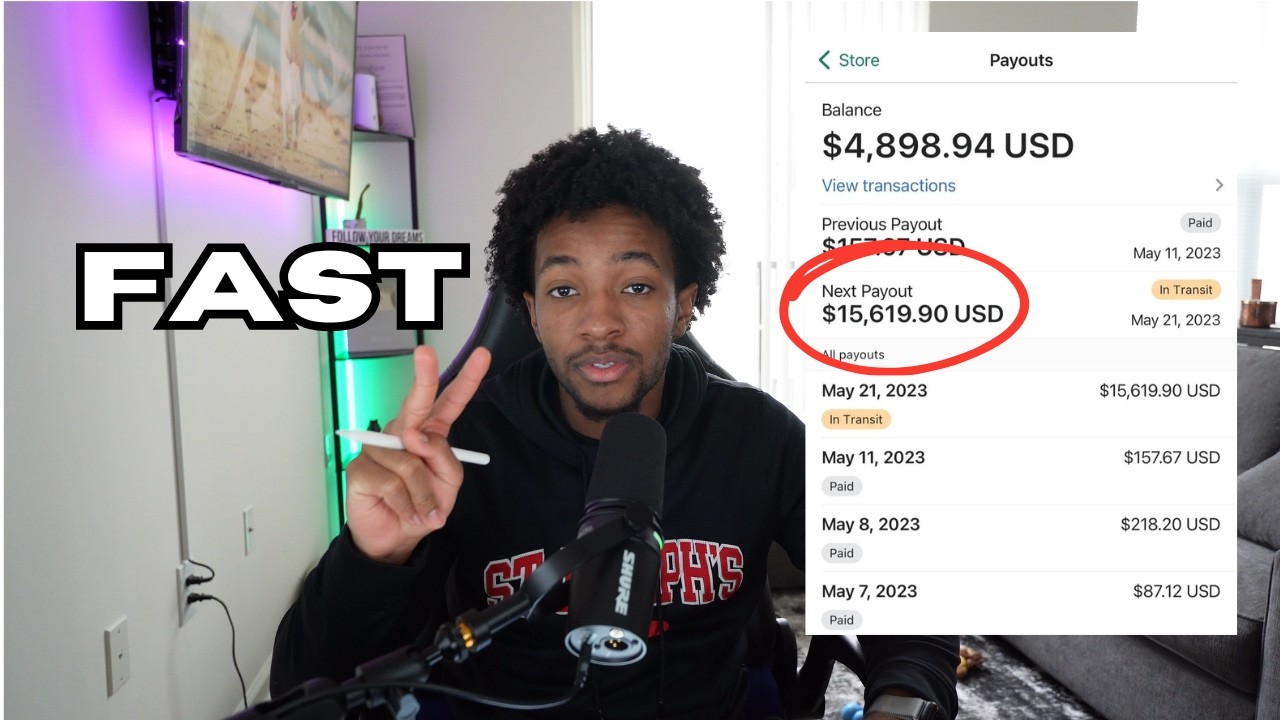
A realistic six-month trajectory: months one and two are setup and testing with minimal sales. Months three and four shift to optimization. Months five and six, with consistent effort, commonly produce $500–$2,000/month in revenue for focused s rs. That’s revenue, not profit — margin depends on pricing discipline and ad spend control. For context on how POD fits within a broader income strategy, the business income ideas category covers complementary models worth stacking once your core store is stable.

Frequently Asked Questions (FAQ)

Q: What are the most important factors when starting a print on demand business?

A: Market demand, design quality, and SEO-optimized listings are the three pillars. Skipping research on what buyers are actively searching for is the fastest path to a store with zero traffic. Start narrow, test fast, and scale what works.

Q: How long does it take to get traction on Etsy or Amazon with a POD store?

A: Technical setup — account creation, supplier integration, and first listings — takes two to four days. Getting meaningful traction in search results typically takes four to eight weeks of consistent listing optimization and early sales signals. Budget more time than you think you need, especially on Etsy where new stores carry less algorithmic trust.

Q: What are the most common beginner mistakes in print on demand?

A: The top three are launching without validating niche demand first, using generic white-background mockups instead of lifestyle-style images, and pricing too low to cover platform fees and ad spend. Under-pricing feels safe but erodes margin and can signal low quality to buyers who use price as a trust proxy.

Q: Is print on demand still worth starting in 2026?

A: Yes, but with adjusted expectations. The market is more competitive than it was in 2020–2022, which means generic designs and broad niches rarely gain traction. S rs who invest in niche research, quality mockups, and consistent SEO can still build profitable stores — the learning curve is just steeper than platform marketing materials suggest.

Q: Do I need design experience to start a POD business?

A: Not necessarily, but design sensibility helps. Many successful POD s rs use tools like Canva or Adobe Express for text-based and minimalist designs without formal training. For illustrated or detailed artwork, contracting a freelance designer on a revenue-share or flat-fee basis is a viable alternative while you’re building initial cash flow.

Top Product Recommendations

Product Name Rating Key Feature Est. Price Action
Top-rated print on demand wall art prints ★★★★★ Editor-recommended print on demand wall art prints from this guide $18–$42 Check Lowest Price on Amazon
Best-value custom tumbler print on demand ★★★★☆ Affordable custom tumbler print on demand — strong everyday results $12–$28 Check Lowest Price on Amazon
Premium print on demand hoodie blank apparel ★★★★☆ Higher-end print on demand hoodie blank apparel for visible, lasting results $45–$95 Check Lowest Price on Amazon

Ready to shop for Ideas?

Browse our curated picks — editorial guide above, shopping links below.

Check Lowest Price on Amazon   Get 20% Off Here

More Ideas guides on our site →

Leave A Reply

Your email address will not be published.

This website uses cookies to improve your experience. We'll assume you're ok with this, but you can opt-out if you wish. Accept Read More