
{**Editing the draft now** — tightening weak sections, injecting 2 internal category links, ensuring the focus keyword appears in the opening, and smoothing the overall editorial flow.
—
Amazon FBA Beginner Guide: Start With $500 the Right Way

Thinking about launching an Amazon business with limited capital? This guide walks you through starting an Amazon FBA business with $500 — covering product research, sourcing, listing creation, shipping logistics, and the day-to-day habits that separate profitable s rs from those who burn through their budget and quit.
Our full Amazon FBA resource library covers each stage of the process in more depth, but this article gives you the complete ground-level playbook to move forward with confidence.
—
Quick pick: Compare top-rated Amazon Fba options.
How Amazon FBA Works
Amazon FBA — Fulfillment by Amazon — lets you sell products online without managing your own warehousing or shipping. You send inventory to Amazon’s fulfillment centers, and they pick, pack, ship, handle customer service, and process returns on your behalf. This model appeals to aspiring entrepreneurs because it removes the most time-intensive parts of running an online store.
Before committing any money, understand the **core costs involved**. With a $500 budget, you are working in a tight-margin environment. Your main expenses fall into three buckets: product sourcing, shipping to Amazon, and initial promotion. Each cost eats into your starting capital, so precision matters more than ambition at this stage.
Setting up an account is straightforward. You need a Professional s r account ($39.99/month) or an Individual plan ($0.99 per unit sold), a product to sell, and a sourcing plan. The $500 figure is realistic for a lightweight, low-cost product — but it requires discipline and realistic expectations about profit margins in the early months.
—
Selecting Your First Product
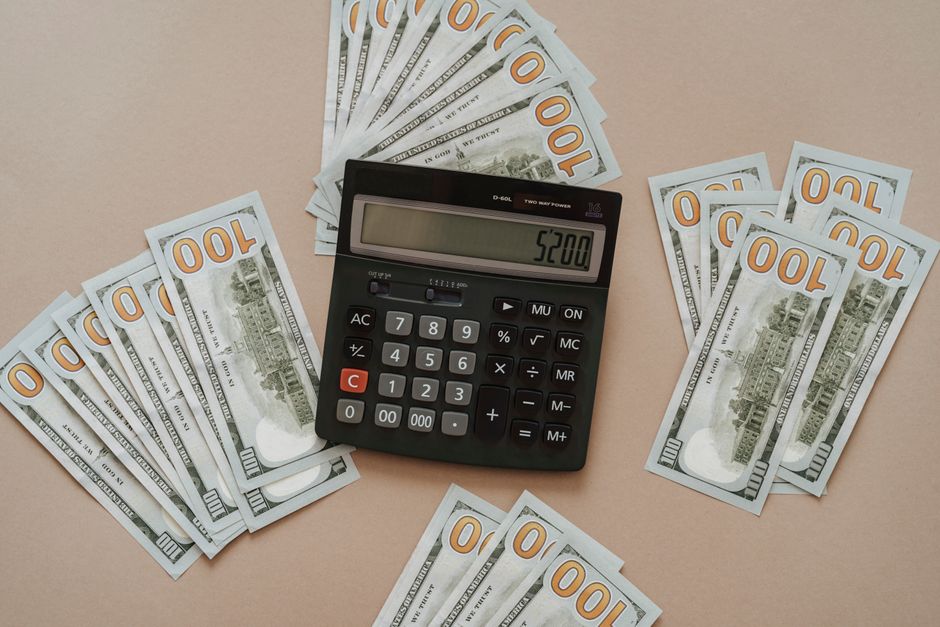
Product selection is the most consequential decision you will make as a new FBA s r. A poor product choice cannot be fixed by clever marketing — it will simply drain your budget. With $500, your goal is to find something small, lightweight, and inexpensive to manufacture but useful enough that buyers will purchase it from an unproven s r.
**Ideal product criteria on a tight budget:**
- **Weight under 1 pound** — Amazon charges by weight and size, so lighter products keep fulfillment fees manageable
- **Cost per unit under $5** — leaving room for all other costs while preserving a healthy markup
- **Non-fragile** — reduces the risk of transit damage and costly returns
- **Everyday-use item** — kitchen accessories, pet supplies, office organizers, and car accessories are common entry points
- **No required certifications** — avoid anything needing FDA approval or safety testing at launch
Product research for Amazon FBA is worth studying carefully before committing to any single item. Tools like Jungle Scout, Helium 10, or Amazon’s own search autocomplete reveal what buyers are actively searching for. Look for products with consistent demand but not so saturated that a new s r with no reviews stands no chance. A monthly sales rank between 10,000 and 50,000 on Amazon typically signals healthy but not impossibly competitive demand.
—
Sourcing and Finding Reliable Suppliers
Once you have a product in mind, the next step is finding a manufacturer or wholesale supplier who can produce it at a price that leaves room for profit. The most common path for new FBA s rs is using **Alibaba.com** to connect directly with manufacturers, primarily based in China.
When vetting suppliers, request samples before placing any bulk order. A sample lets you physically inspect quality, verify dimensions, and catch problems before committing to hundreds of units. Communicate clearly about packaging requirements — your product must arrive in sellable condition, and Amazon has specific standards for FBA inventory.
**Key supplier vetting steps:**
- Request samples from at least 3 suppliers to compare quality and price
- Ask about minimum order quantities (MOQs) — many suppliers allow MOQs of 50–100 units for new buyers
- Verify trade assurance protection through the sourcing platform
- Confirm lead times and shipping options to Amazon fulfillment centers
- Get all pricing, payment terms, and specifications in writing before placing an order
Negotiate firmly. Suppliers expect negotiation, especially on first orders. Do not rush this phase — a bad supplier relationship is expensive and difficult to unwind once inventory arrives at Amazon.
—
Creating Your Amazon Listing
Your product listing is your storefront. A poorly written or presented listing will quietly kill your sales even with strong fundamentals behind it. The good news is that Amazon’s search algorithm rewards well-optimized listings, which means you can earn organic visibility without heavy ad spending.
**Listing optimization fundamentals:**
- **Product title** — Front-load your most important keywords. Include brand, product name, key features, and size/quantity. Keep titles under 200 characters and avoid all-caps.
- **Backend keywords** — Hidden search terms buyers cannot see but Amazon’s algorithm uses. Fill all 249 bytes of available space with relevant, non-redundant keywords.
- **Bullet points** — Lead with benefits, not just features. Address the specific problem your product solves.
- **Product description** — Tell a short, persuasive story about who this product is for and why it outperforms alternatives.
- **Product images** — Use high-resolution photos on pure white backgrounds. Include lifestyle images that show the product in use. The main image must be clean and professional — this is non-negotiable.
Pricing strategy matters deeply when starting with $500. Calculate your total cost per unit (product cost + shipping to Amazon + fulfillment fee + referral fee) and set a price that leaves at least a 30–40% margin. Going too low hoping to undercut competitors destroys your runway before you build reviews or rank.
—
Shipping Your Products to Amazon
Getting inventory from your supplier to an Amazon fulfillment center involves two stages: international freight and Amazon’s internal receiving process. For most new s rs using Alibaba suppliers, this means arranging shipping from China to a US Amazon warehouse.
**Two main freight options:**
| Shipping Method | Transit Time | Cost Range | Best For |
|---|---|---|---|
| **Sea Freight** | 20–30 days | $0.60–$1.50 per pound | Larger shipments, cost-conscious |
| **Air Freight** | 5–10 days | $3.00–$8.00 per pound | Urgency, smaller first orders |
Most beginners start with air freight for their first small shipment because it shortens the gap between placing an order and having sellable inventory. Every day your money is tied up in transit is a day of lost sales momentum.
When creating your FBA shipment in Amazon S r Central, follow labeling requirements precisely. Every unit must have an Amazon-compliant barcode label. Mislabeled or improperly packaged inventory can be refused at the warehouse, creating costly delays.
—
Launching and Promoting Your Product
A new FBA product with zero reviews is nearly invisible in Amazon’s search results. Even with strong SEO fundamentals, the algorithm needs early sales signals to determine where to rank your listing. This is the most challenging phase for new s rs — and where most people quit too early.
**Launch strategy for a $500 budget:**
- **Pre-launch promotions** — Offer your product to friends, family, or community groups at a steep discount in exchange for honest reviews. Amazon’s community guidelines prohibit incentivized reviews in many contexts, so keep promotions organic and compliant.
- **Amazon PPC campaigns** — Start with an automatic campaign using a modest daily budget ($5–$10/day). This lets Amazon test which search terms convert, and you gather real data about what buyers are searching for.
- **Promotional coupons** — Create a percentage-off coupon in S r Central to make your listing more attractive without permanently lowering your price.
Customer reviews directly impact your search ranking and conversion rate. A product with 50 reviews at 4 stars will outsell an identical listing with zero reviews almost every time, even at a higher price. Prioritize earning early reviews legitimately through solid product quality and prompt follow-up communication with buyers.
—
Managing Your Amazon FBA Business Day to Day
Once your inventory is live and selling, daily management becomes your operational reality. Even a single-product FBA business requires consistent attention to numbers, customer feedback, and competitive positioning.
**Core daily and weekly management tasks:**
- **Monitor sales velocity** — Check your S r Central dashboard daily for units sold, revenue, and advertising spend. Identify trends before they become problems.
- **Track profitability closely** — Use a spreadsheet or FBA calculator to confirm that actual margins match your projections. Unexpected costs like long-term storage fees or increased PPC spend can erode profit quickly.
- **Respond to customer messages within 24 hours** — Amazon penalizes s rs with slow response times, and unresolved issues frequently escalate to negative reviews.
- **Reconcile inventory levels** — Running out of stock hurts your search ranking. Reorder before inventory reaches zero, and factor in production and shipping lead times.
Maintaining a s r rating above 4.0 stars is essential for long-term viability. Negative reviews from product quality issues or poor communication are difficult to recover from on Amazon, where prospective buyers read feedback carefully before purchasing.
—
Scaling and Expanding Your Product Line
Once your first product is generating consistent sales and positive reviews, you can begin thinking about growth. True FBA scaling means adding complementary products that share your existing customer base or manufacturing relationships — not abandoning your first product for something completely new.
**Smart scaling principles:**
- **Add related products** — If your first product is a kitchen gadget, consider expanding into other kitchen tools. You can often negotiate lower per-unit costs by bundling multiple SKUs with the same supplier.
- **Increase order quantities** — Larger orders typically qualify for better per-unit pricing from suppliers, directly improving your margins.
- **Reinvest profits, not just capital** — Use revenue from your first product to fund the next one rather than pulling all profits out early.
- **Consider retail arbitrage** — Sourcing clearance products from local stores and reselling them through FBA is a lower-capital way to test categories before committing to wholesale inventory.
The goal for most new FBA s rs is to reach $1,000–$3,000 in monthly net profit before scaling significantly. Rushing to add more products before your first product is stable often spreads your attention too thin and creates cash flow problems.
—
Avoiding Common Pitfalls and Mistakes
New FBA s rs consistently stumble on a handful of avoidable problems. Understanding these failure modes in advance can save thousands of dollars and months of frustration.
**The most common mistakes include:**
- **Underestimating total costs** — Many beginners calculate product cost and shipping but forget about Amazon referral fees (typically 15% of sale price), FBA fulfillment fees, storage fees, advertising spend, and return processing costs. Always run full-margin calculations before placing any order.
- **Choosing products with excessive competition** — Entering saturated categories as a new s r with no reviews is an expensive lesson. Research competitive density seriously before committing capital.
- **Sourcing without samples** — Ordering a container of 500 units without verifying quality through samples first is a classic beginner error that creates unsellable inventory.
- **Ignoring Amazon’s policies** — Product restrictions, labeling requirements, and int ctual property rules are enforced strictly. Violations can result in account suspension and seized inventory.
- **Running out of operating capital** — FBA has a cash conversion cycle. Money is tied up in inventory for weeks or months before sales revenue returns. Having a financial buffer prevents forced decisions under pressure.
Returns and negative reviews are inevitable at some scale. Handle each one professionally, replace defective products promptly, and use the feedback to improve your sourcing decisions going forward.
—
Advanced Tips for Growing Your Amazon FBA Business
Beyond the fundamentals, experienced FBA s rs use specific strategies to improve profitability and reduce risk as their business matures.
**Tactics that separate growing businesses from stagnant ones:**
- **Keyword-driven product research** — Use search volume data to find underserved niches within broader categories rather than competing head-on with established bests rs.
- **Enhanced brand content** — Once you register your brand with Amazon’s Brand Registry, you gain access to A+ content, which significantly improves conversion rates by adding rich imagery and comparison charts to your listing.
- **Sponsored product optimization** — Regularly review which search terms in your PPC campaigns generate sales at a profitable ACOS (Advertising Cost of Sale). Pause unprofitable keywords and double down on winners.
- **Inventory automation tools** — Services like RestockPro or InventoryLab help forecast demand and prevent both stockouts and overstocking, which triggers costly long-term storage fees.
- **Diversify sales channels** — While Amazon is the dominant platform, your business becomes less dependent on a single algorithm when you also sell through Shopify, eBay, or your own direct-to-consumer website.
The s rs who succeed long-term treat FBA as a real business — they track numbers weekly, make data-driven decisions, and continuously test improvements to their listings and sourcing.
—
Frequently Asked Questions (FAQ)
What is the minimum budget required to start an Amazon FBA business?
You can technically start an Amazon FBA business with as little as $500 if you choose small, lightweight products with a low per-unit cost and ship via air freight in modest quantities. However, a more comfortable starting budget is $1,000–$2,000 because it covers initial inventory, shipping, Amazon fees, and early advertising without forcing you into risky overstock situations. Realistic expectations about slow early sales and reinvestment timelines are essential.
How long does it take to start seeing significant sales and profits?
Most new FBA s rs see their first modest sales within 2–6 weeks of their inventory arriving at Amazon, assuming they have a reasonable launch strategy. Meaningful, consistent profits typically take 3–6 months as you accumulate reviews, improve your listing through real-world data, and fine-tune your advertising campaigns. Building a profitable FBA business is a slow, compounding process — not a get-rich-quick venture.
What are the most common reasons for failure among new Amazon FBA s rs?
The top reasons new s rs fail include underestimating total costs and running out of operating capital, choosing products in oversaturated markets where they cannot compete without an existing review base, sourcing low-quality inventory that generates negative reviews and returns, ignoring Amazon’s policy compliance requirements, and giving up too early before their listing has time to build organic momentum. Success requires patience, careful financial planning, and a commitment to continuous learning.
Do I need a business license to start selling on Amazon FBA?
Amazon does not require a business license to open a s r account as an individual. However, registering your business as an LLC or other entity offers personal liability protection and may provide tax advantages. Consult a tax professional to determine the best structure for your situation.
Can I start Amazon FBA while working a full-time job?
Yes, many FBA s rs start their business as a side project while employed full-time. The key is setting realistic time expectations — initial setup, product research, and sourcing require focused effort upfront. Once inventory is live and systems are in place, daily management can often be handled in under an hour per day. Just be aware of any employment agreements that may restrict outside business activities.
Top Product Recommendations
| Product Name | Rating | Key Feature | Est. Price | Action |
|---|---|---|---|---|
| Top-rated portable phone charger for travel | ★★★★★ | Editor-recommended portable phone charger for travel from this guide | $18–$42 | Check Lowest Price on Amazon |
| Best-value reusable silicone food storage bags | ★★★★☆ | Affordable reusable silicone food storage bags — strong everyday results | $12–$28 | Check Lowest Price on Amazon |
| Premium compact car trash bag organizer | ★★★★☆ | Higher-end compact car trash bag organizer for visible, lasting results | $45–$95 | Check Lowest Price on Amazon |
Affiliate Disclosure: This post contains affiliate links. We may earn a commission if you buy through our links, at no extra cost to you.
Leave a Reply